The Right Roof is about more than Price
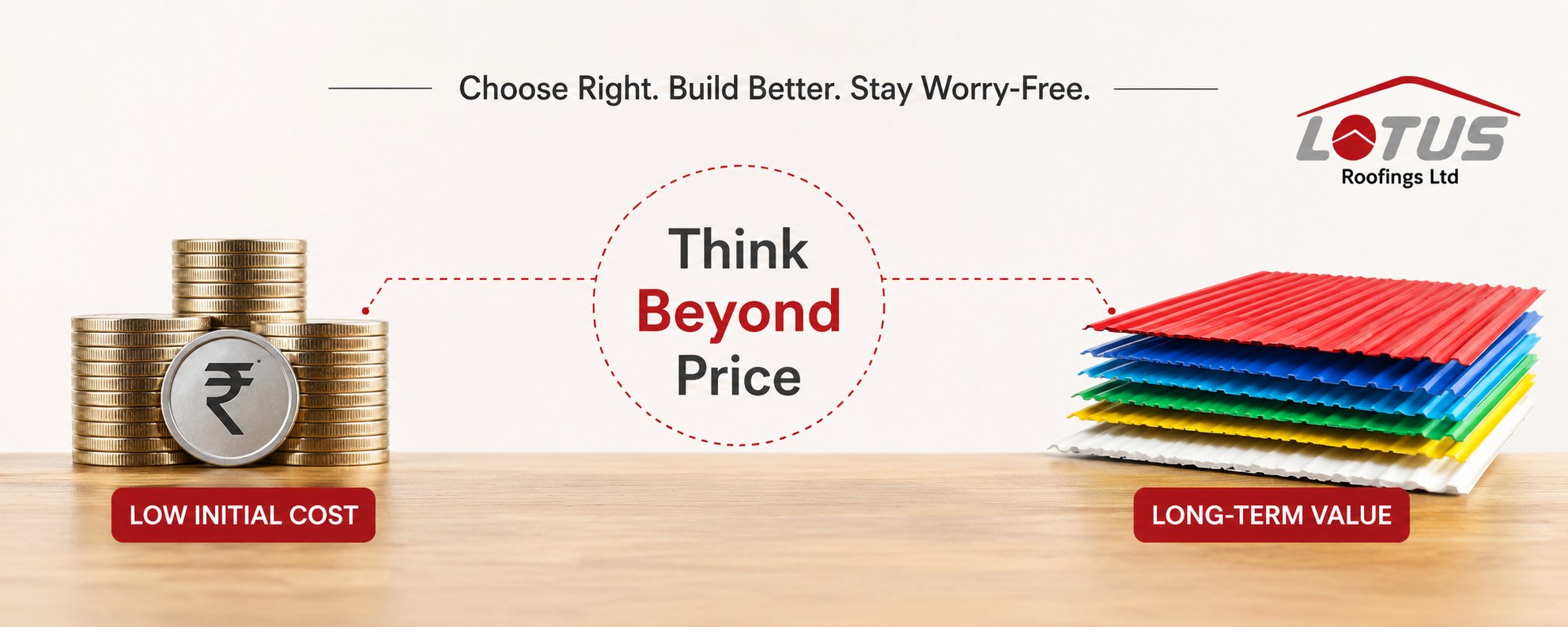
Choosing a roofing solution often begins with comparing prices. That is understandable. Every project has a budget, and the initial cost can appear to be the easiest way to compare one option with another.
But a roof is not simply a purchase. Once installed, it becomes part of how a building performs every day.
The lowest quotation may sometimes be the right choice. But price alone cannot tell you whether a roofing solution is suitable for the building, the climate or the way the space will be used.
The better question is not simply, “Which roof costs less?” It is, “Which roofing solution gives this project the right value over time?”
Is the cheapest roof really the best value?
Not always. The initial price of a roofing sheet is only one part of the overall decision. A lower-cost option may work perfectly well for one project and be completely unsuitable for another.
The real value of a roofing solution depends on several factors, including its application, the environment it will face, the comfort required below it, maintenance needs and expected performance over time.
This does not mean the most expensive roofing solution is automatically the best. A higher-priced product that does not suit the application is still the wrong choice. The best roofing decision is usually about finding the right balance between cost, performance and purpose.
Before You Compare Prices:-
Two roofing products may look similar when placed side by side. Yet their suitability can be very different.
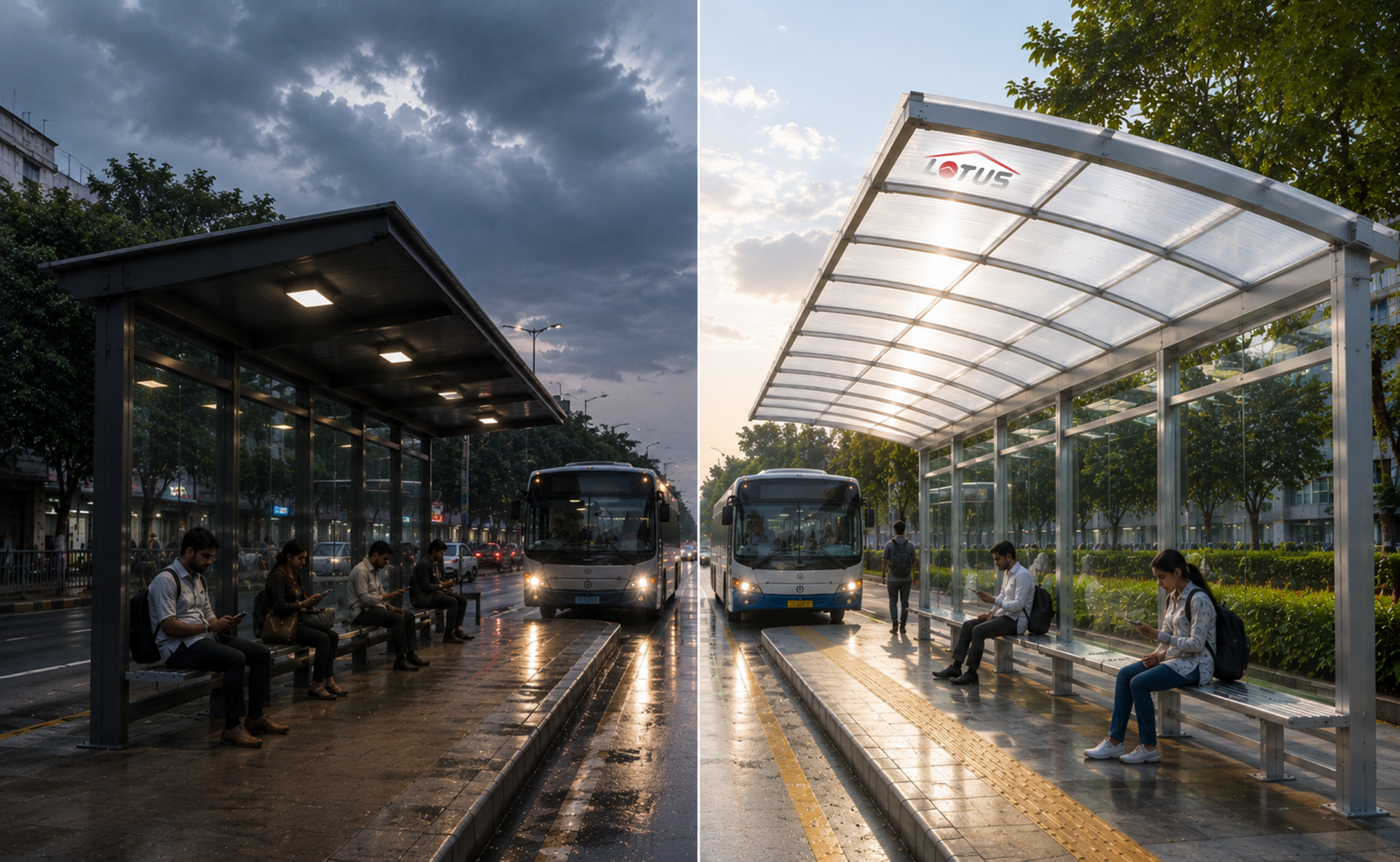
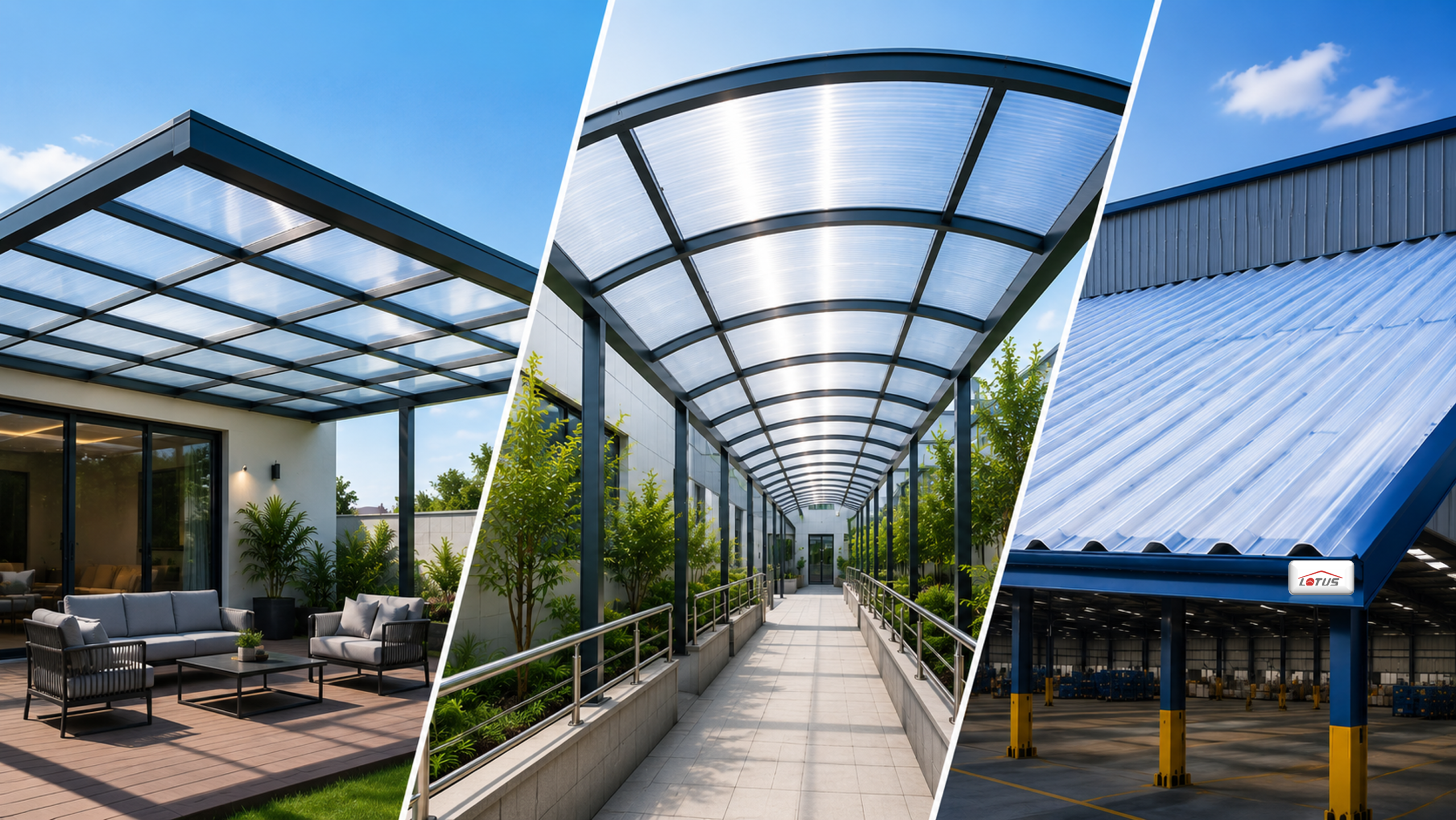
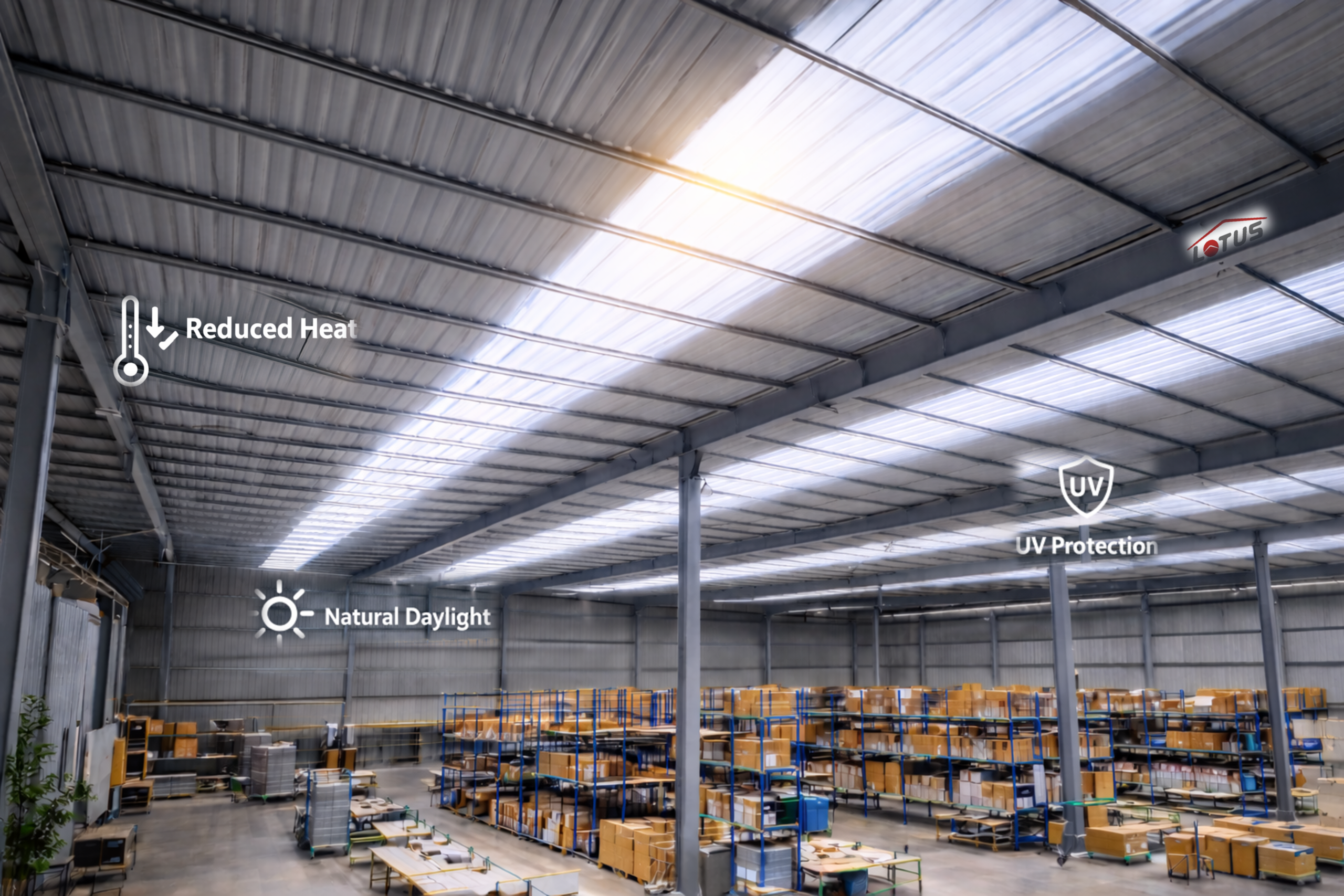
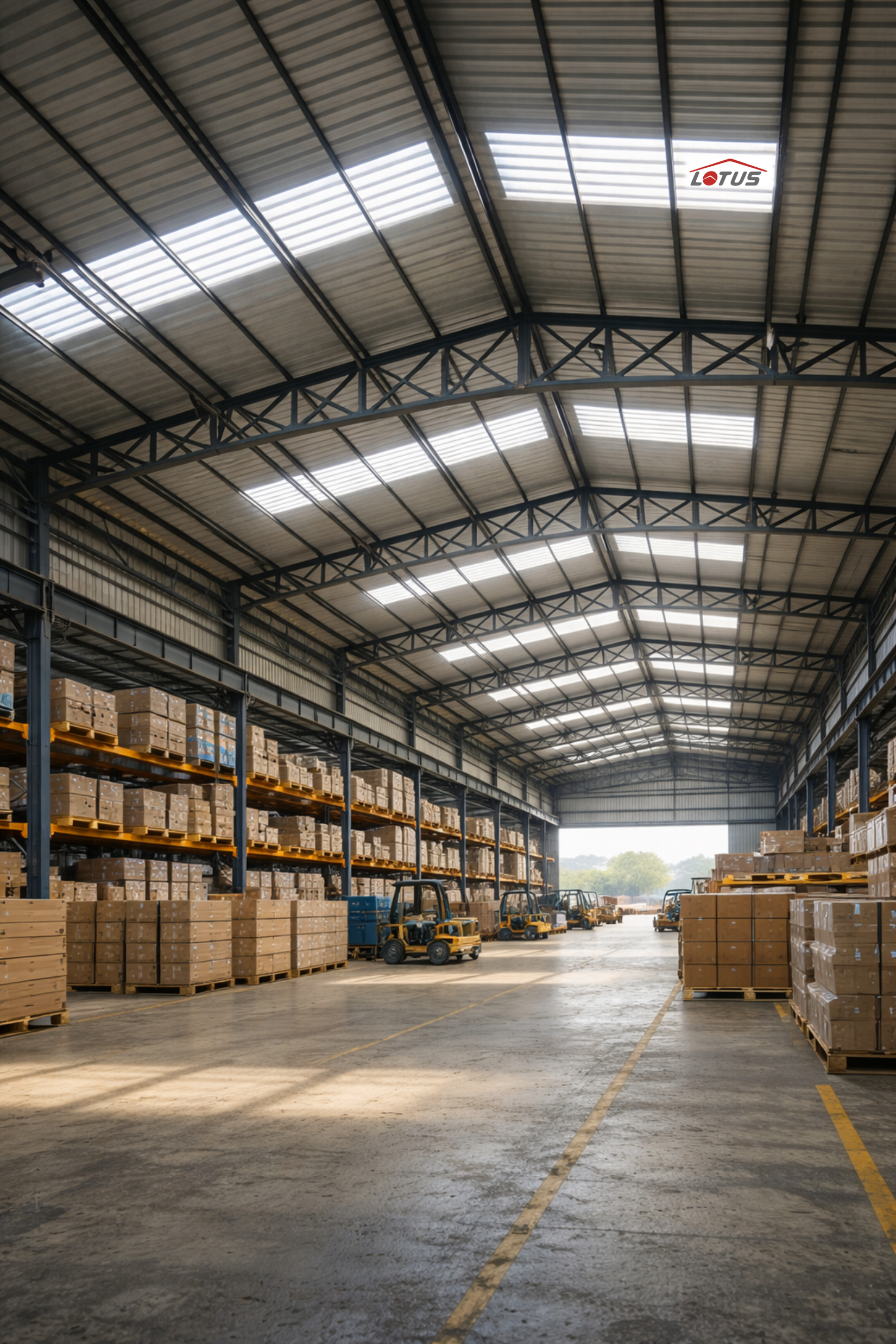
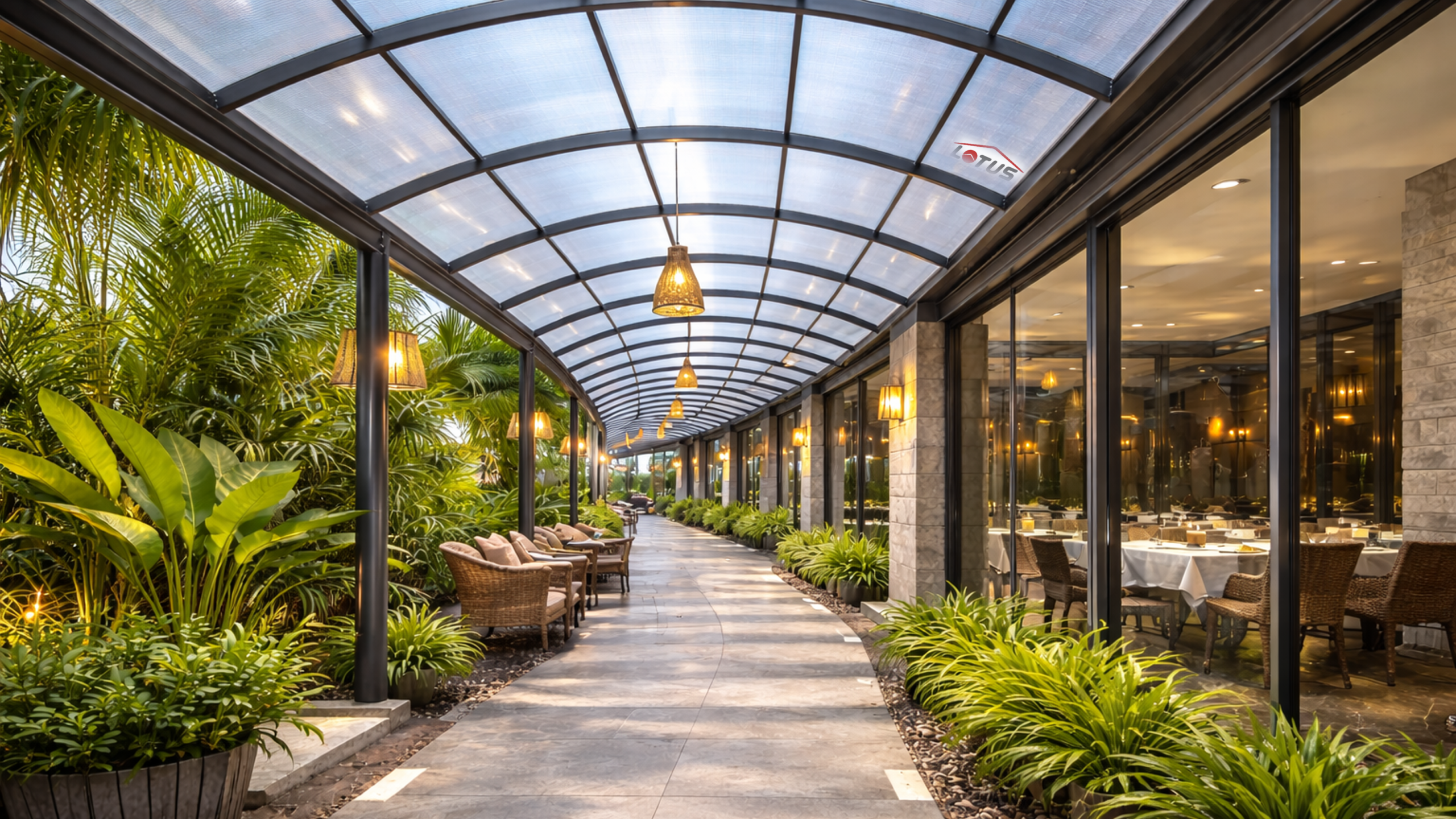
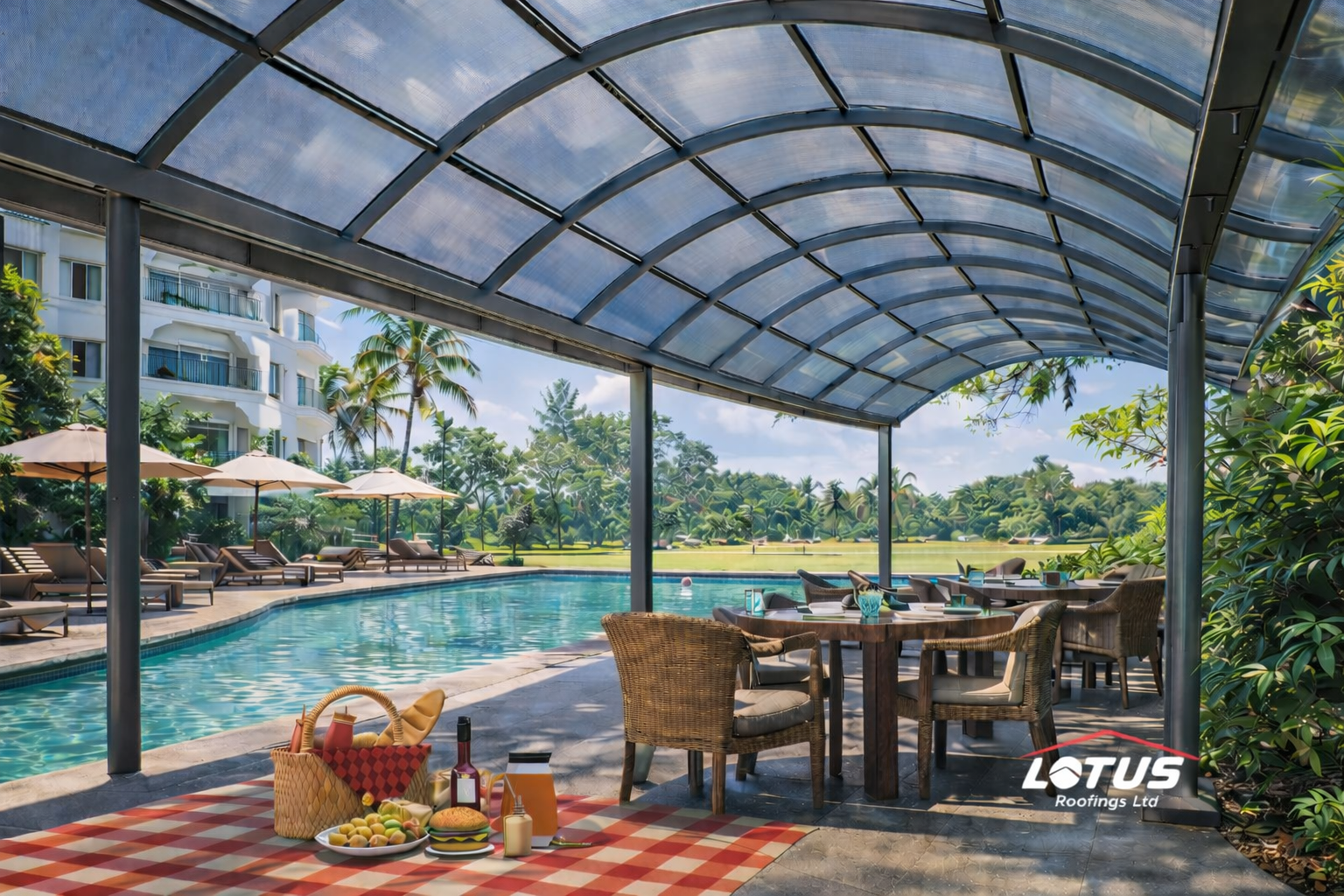
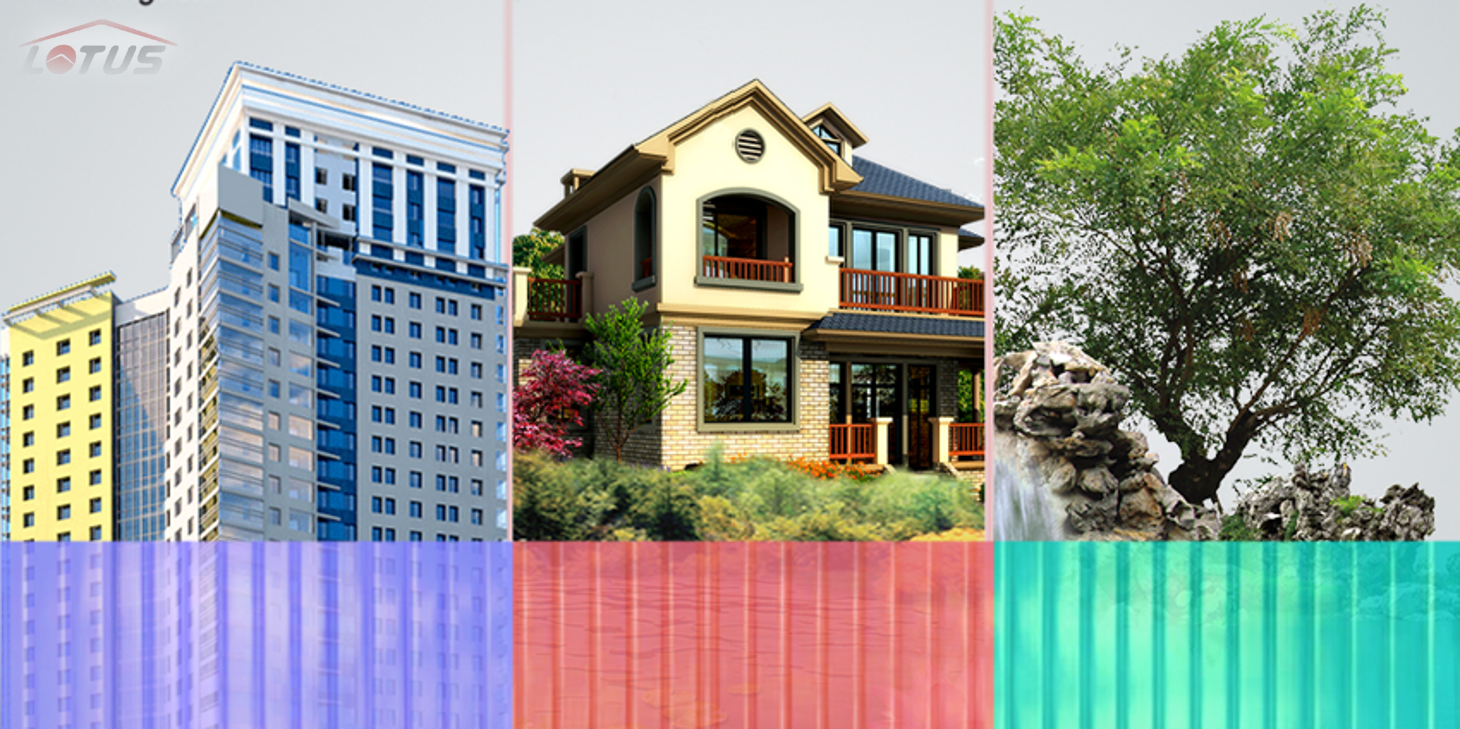
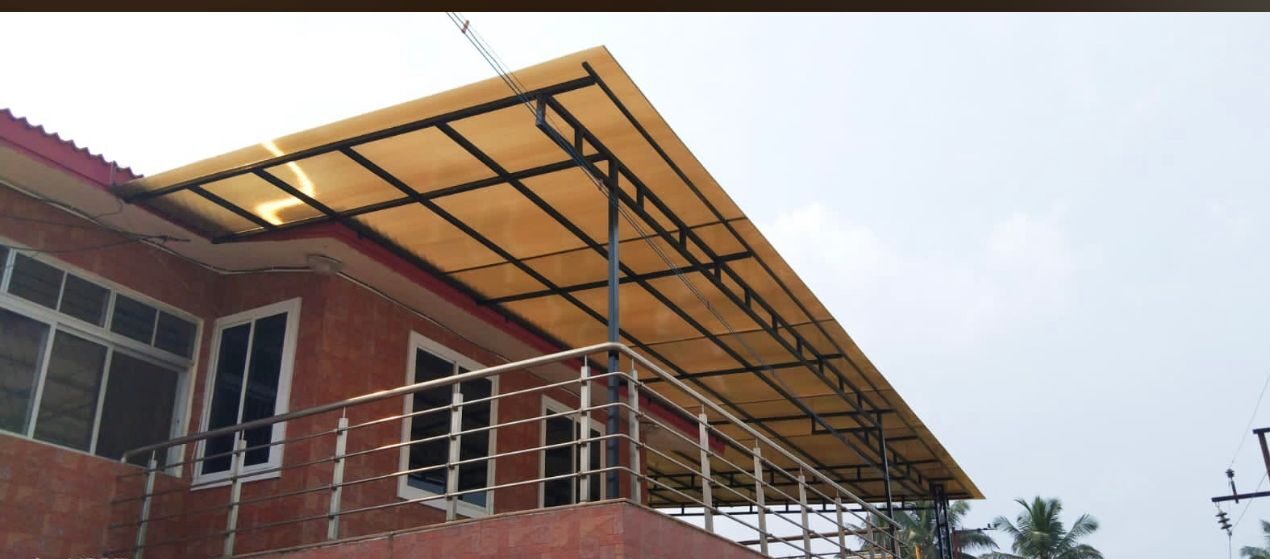
A warehouse, factory, hotel walkway and residential pergola do not ask the same things from a roof. One project may require more natural daylight. Another may need better weather protection. A third may place greater importance on appearance or comfort.
This is why comparing only the price per sheet or per square foot can sometimes be misleading. Before asking which option is cheaper, understand what the roof needs to do. A well-informed decision begins with the building, not the quotation.
5 Things to Consider Before Comparing Roofing Prices
- What Does the Roof Need to Do?
The first question should always be about purpose.
What is the roof expected to achieve?
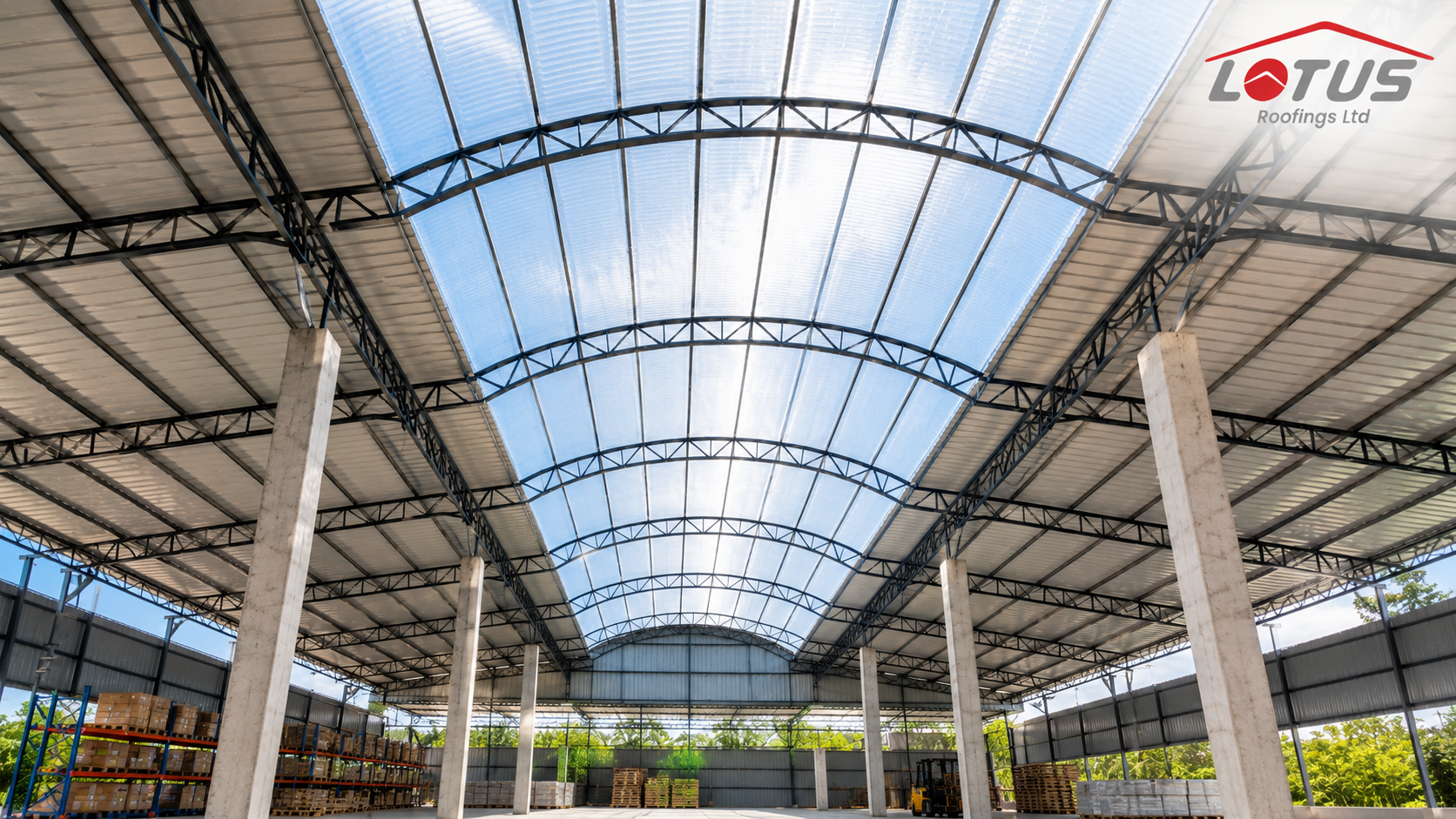
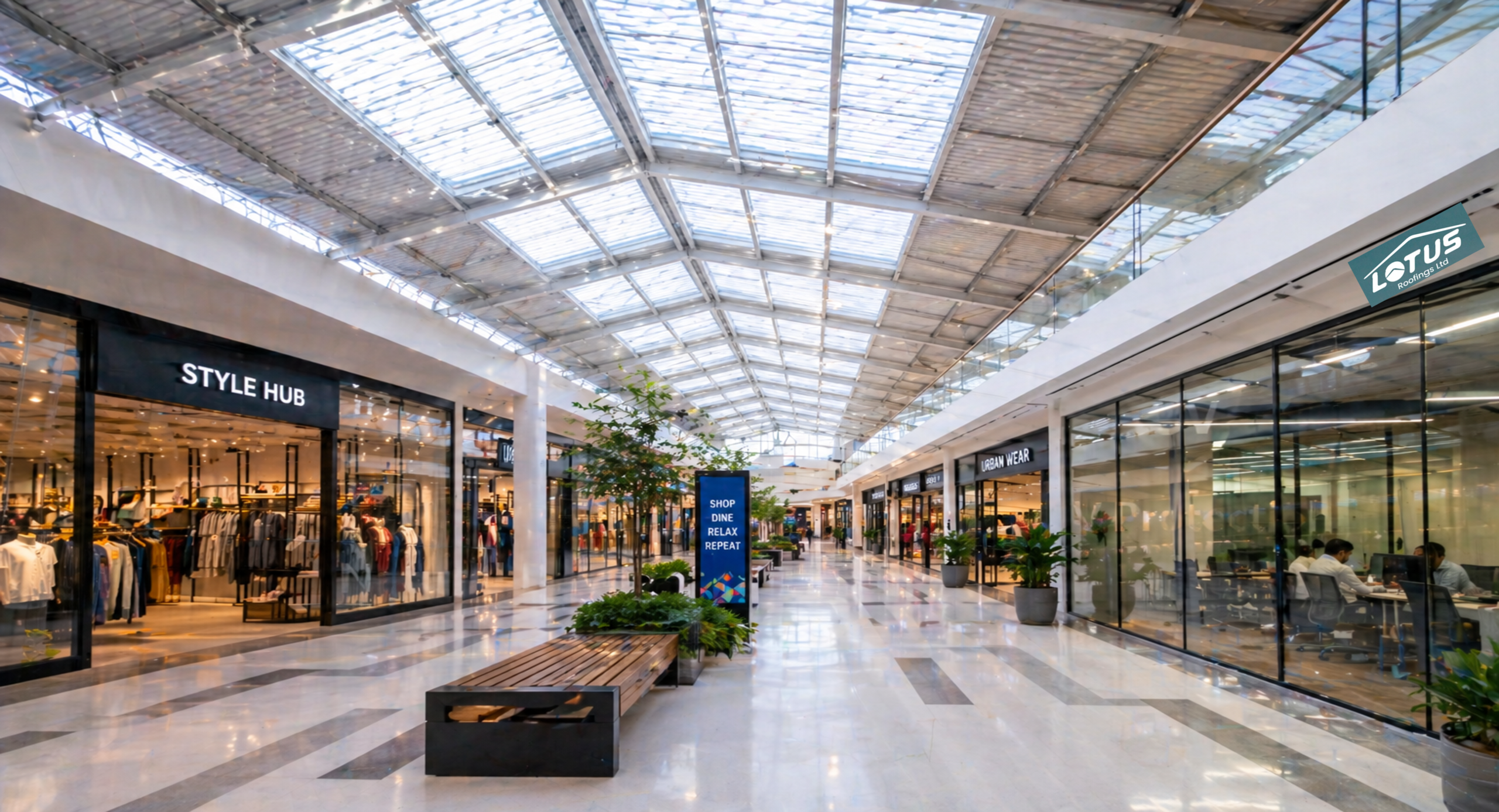
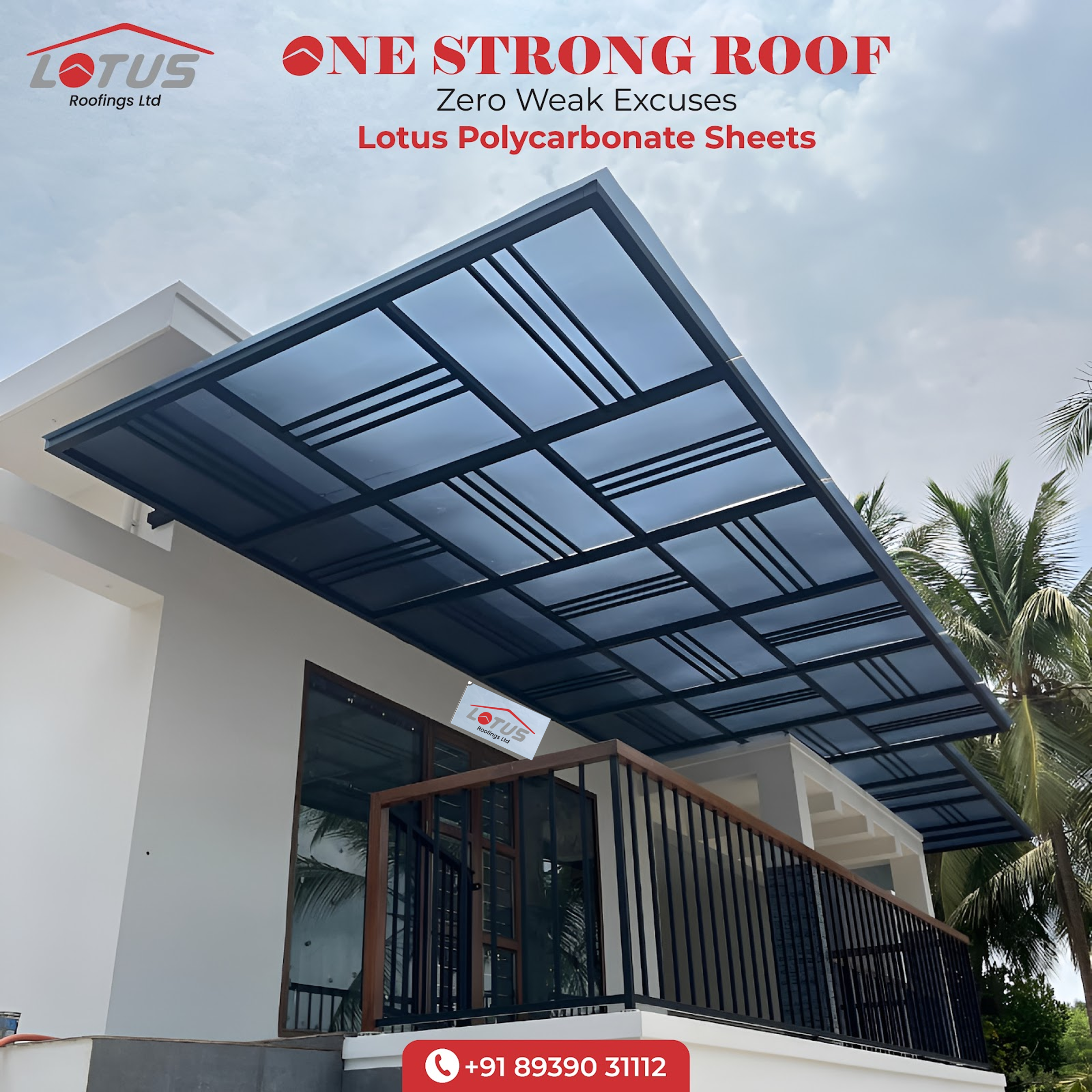
For some buildings, the main requirement may be protection from rain and sunlight. For others, bringing natural daylight into the space may be equally important. A commercial entrance may need to combine protection with visual appeal, while an industrial building may have entirely different performance requirements.
Consider the application first.
A roofing solution should support how the building will be used rather than simply cover the space above it.
When the purpose is clear, comparing suitable options becomes much easier.
- What environment will it face?
A roofing material performs outdoors, not in a showroom. Climate and location can therefore play an important role in the decision.
In India, projects may face very different conditions. Chennai and Kochi experience coastal humidity and heavy rainfall. Other regions may face intense summer heat, while open areas can experience strong winds and changing weather conditions.
A solution suitable for one location may not automatically be the right choice for another. It is important to consider the conditions the roof will face throughout the year, rather than making a decision based only on the weather at the time of installation.
The environment is part of the project requirement.
- How will the space below be Used?
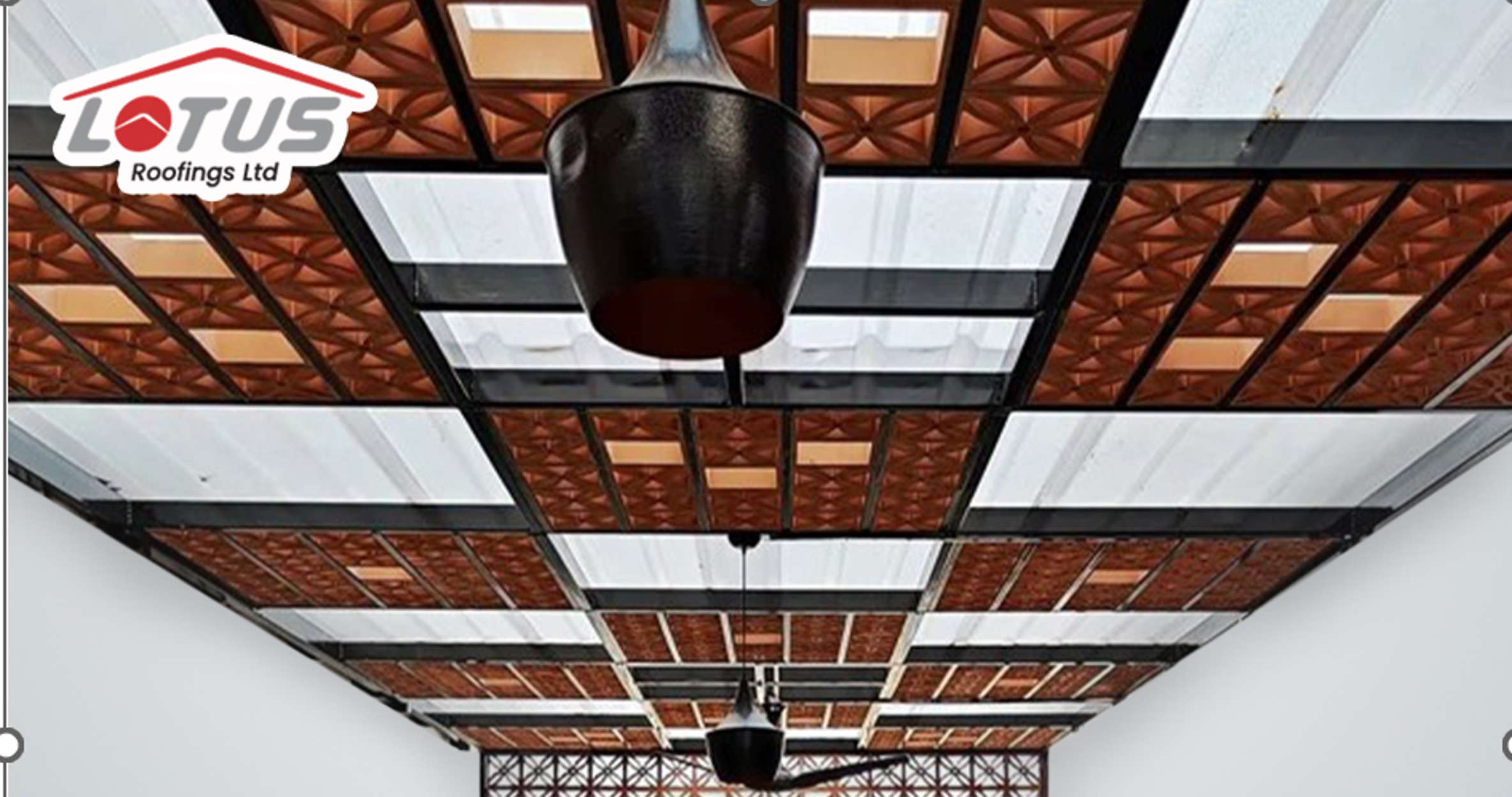
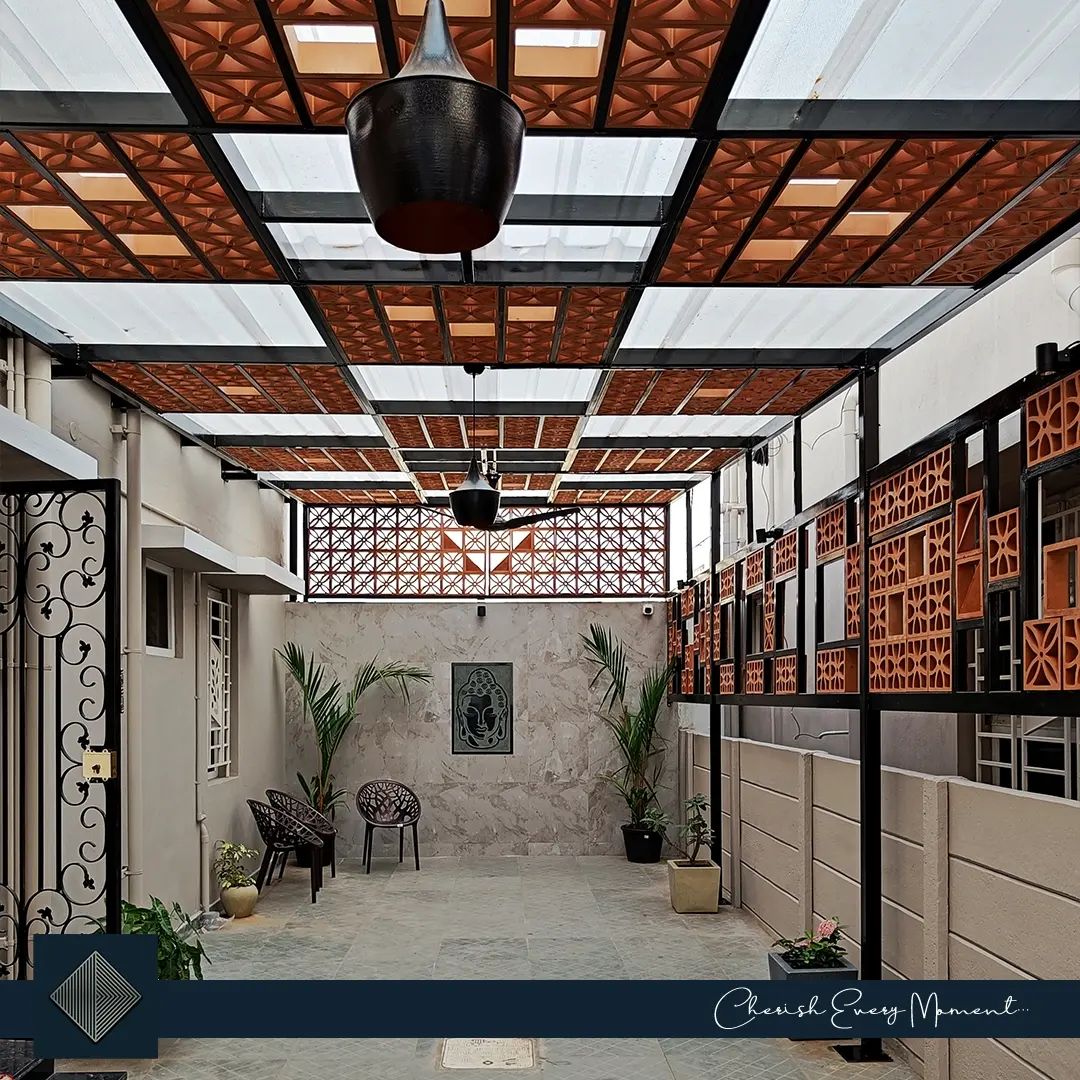
The roof affects more than the structure itself. It influences the experience of the people using the space below. A warehouse may benefit from natural daylight. A covered walkway may need to remain bright while protecting people from rain. A hospitality space may need to balance comfort, appearance and an open atmosphere.
Different roofing materials and designs can support different requirements.
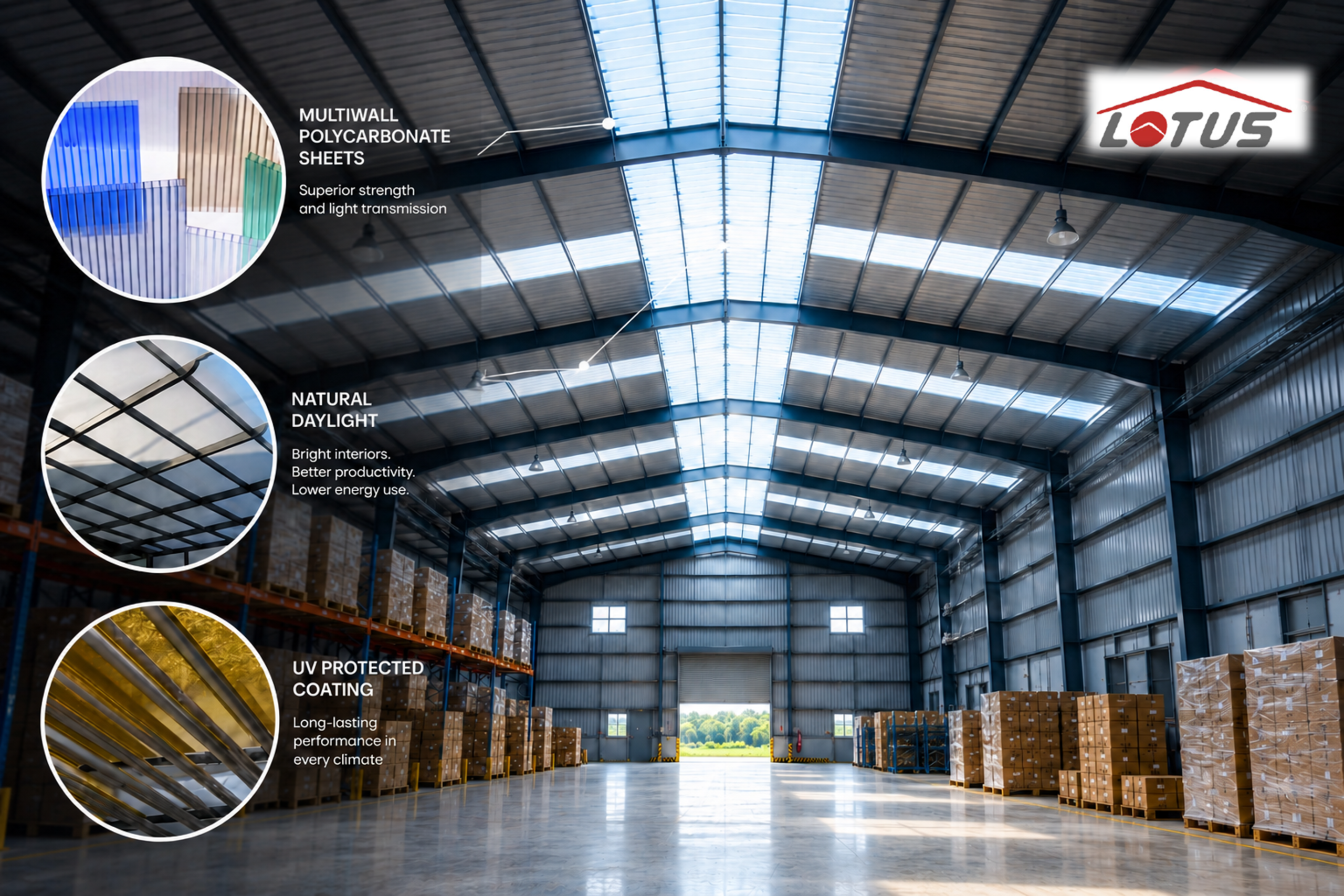
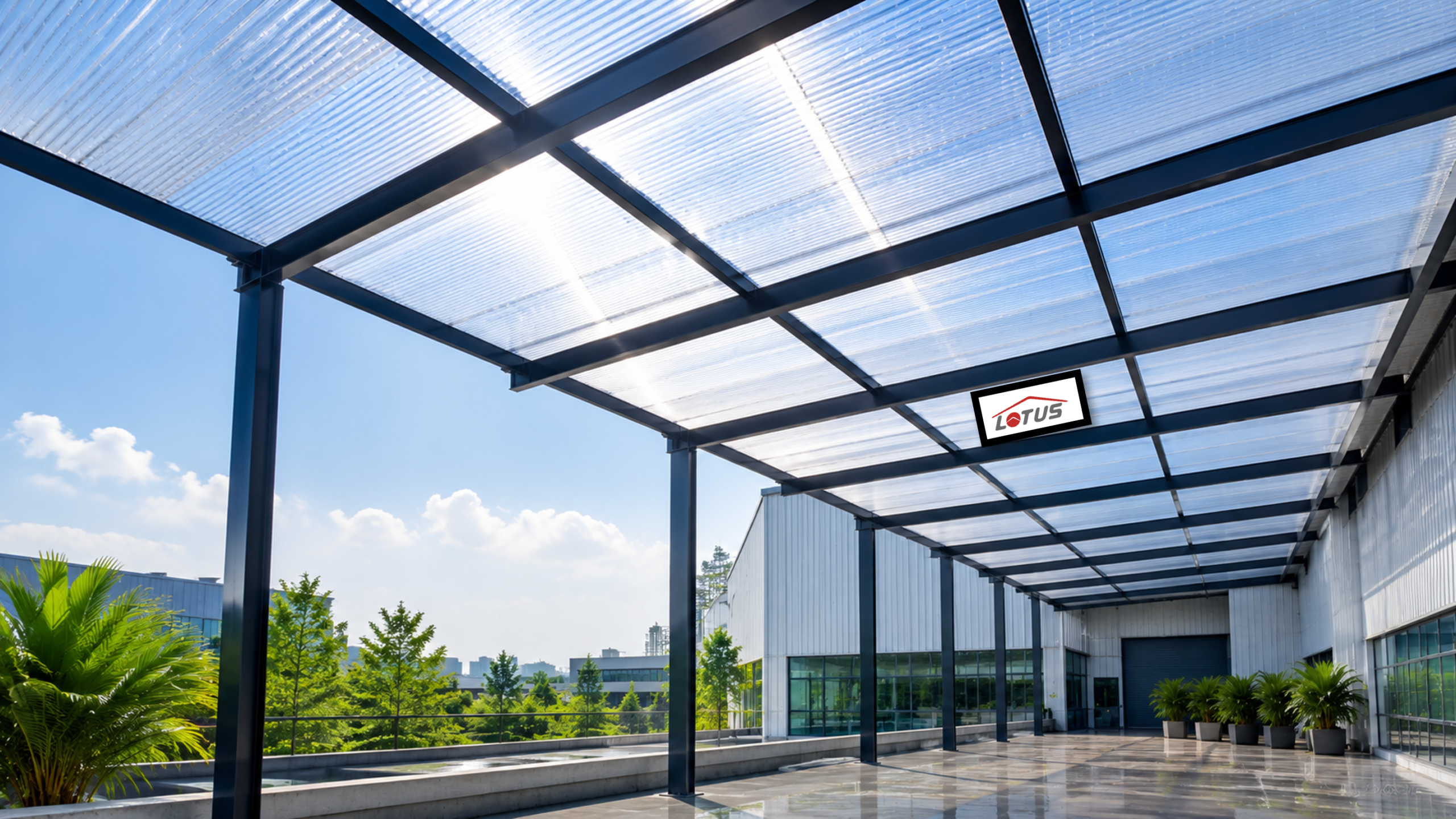
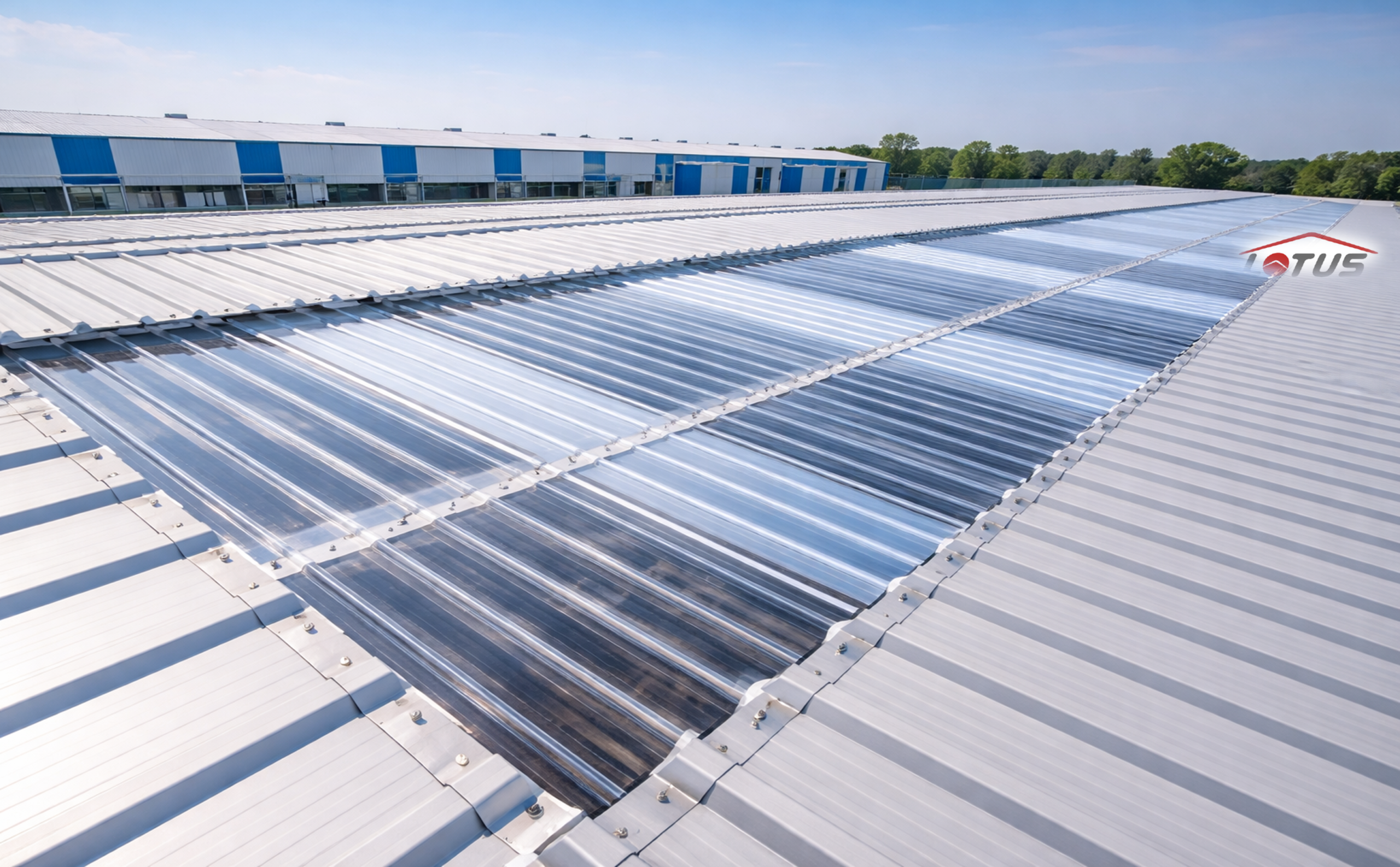
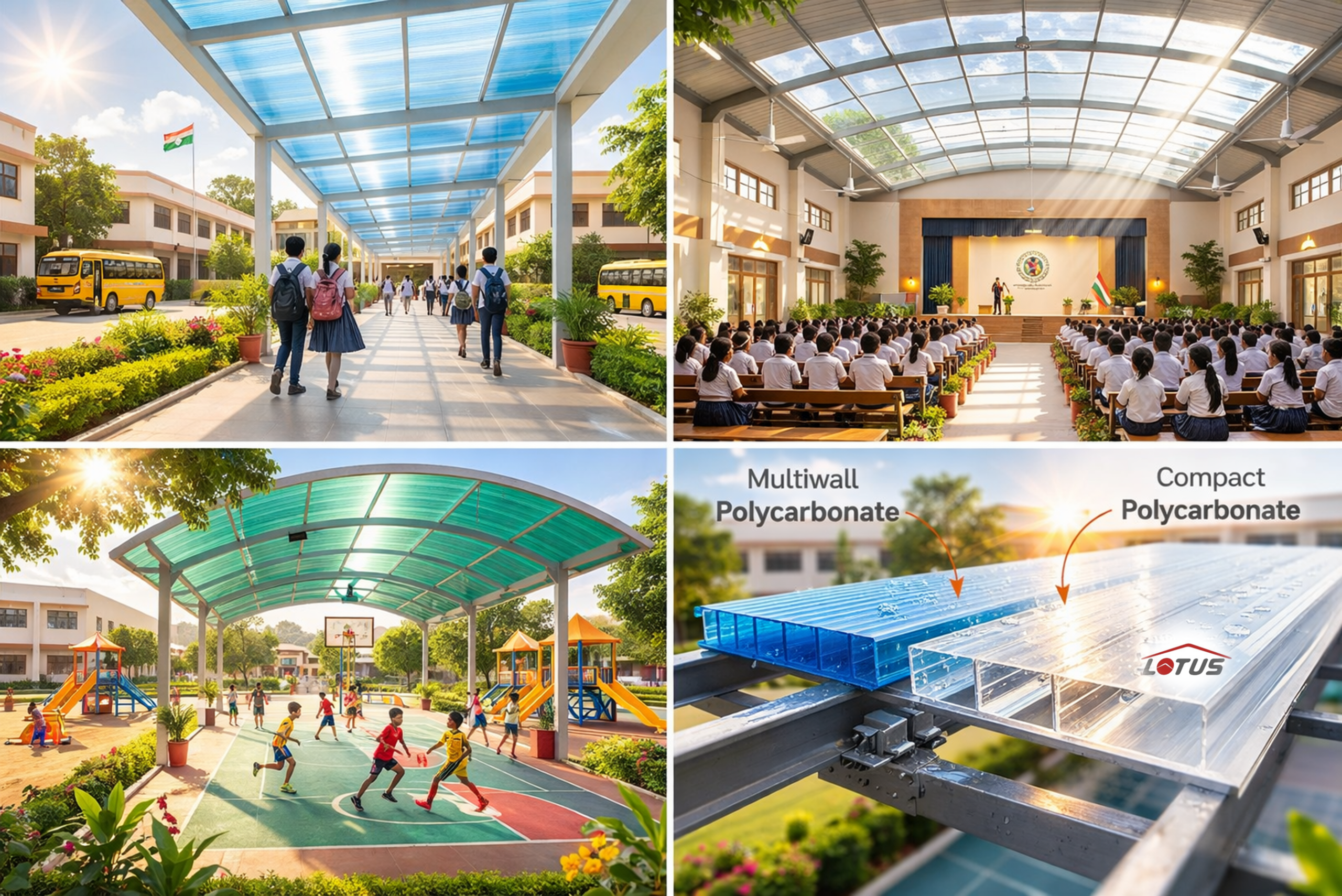
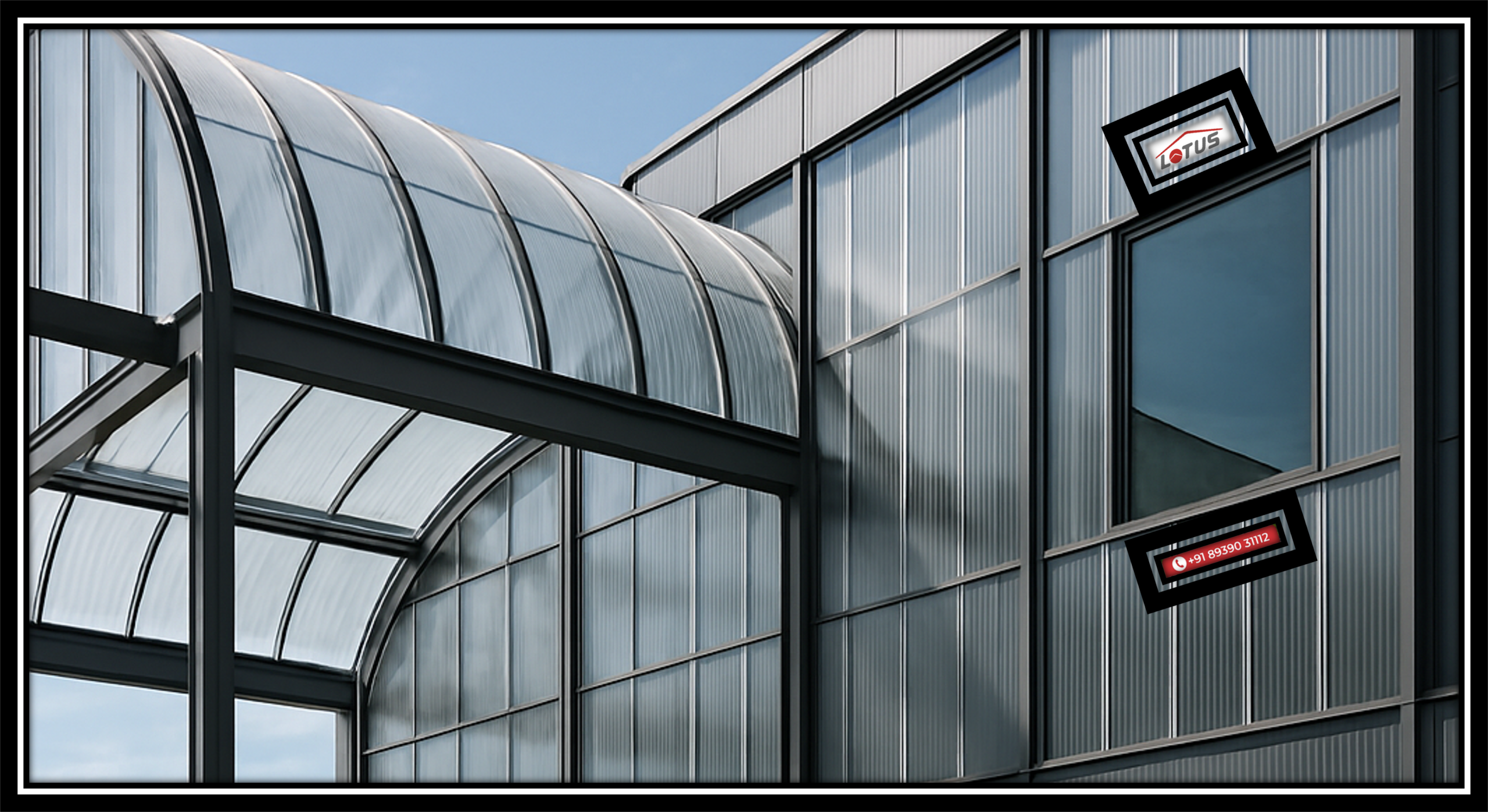
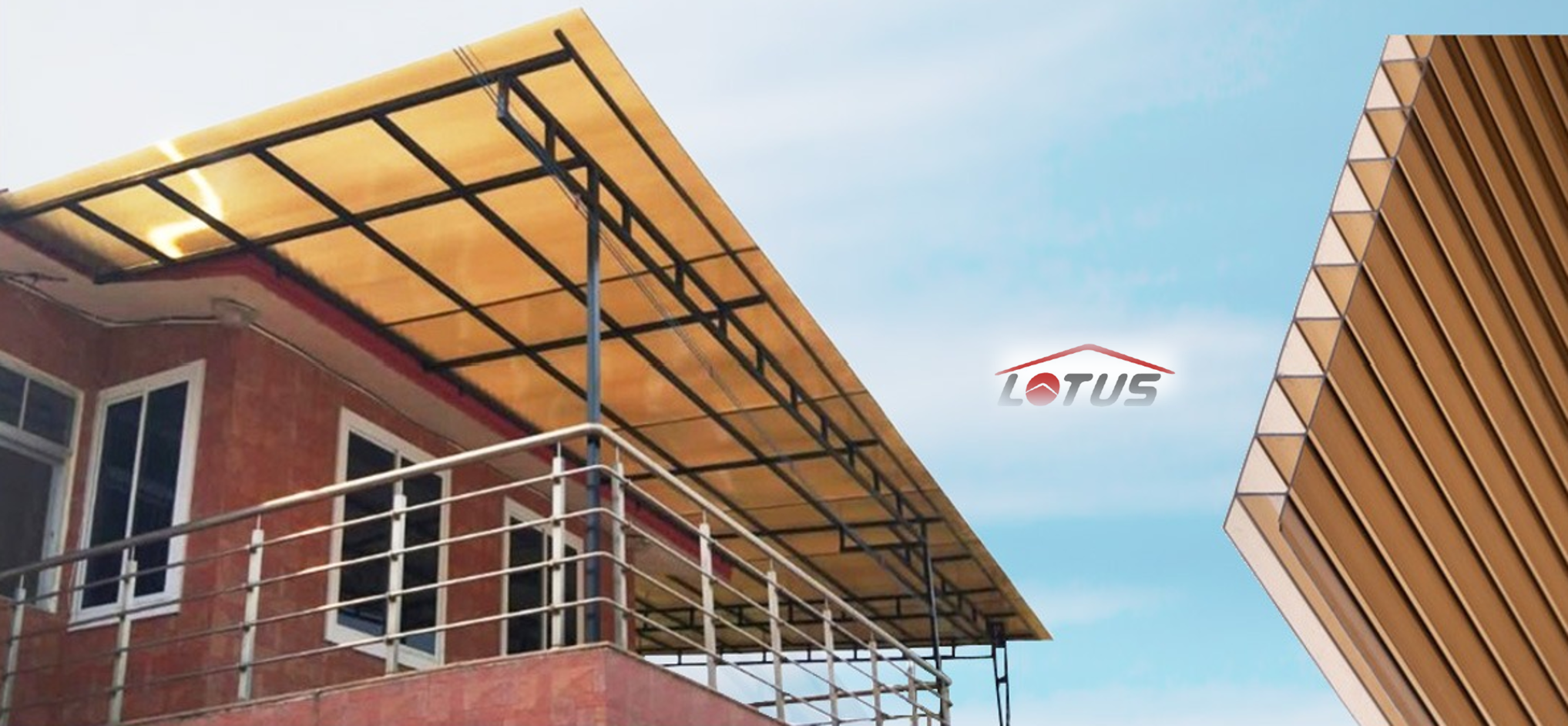
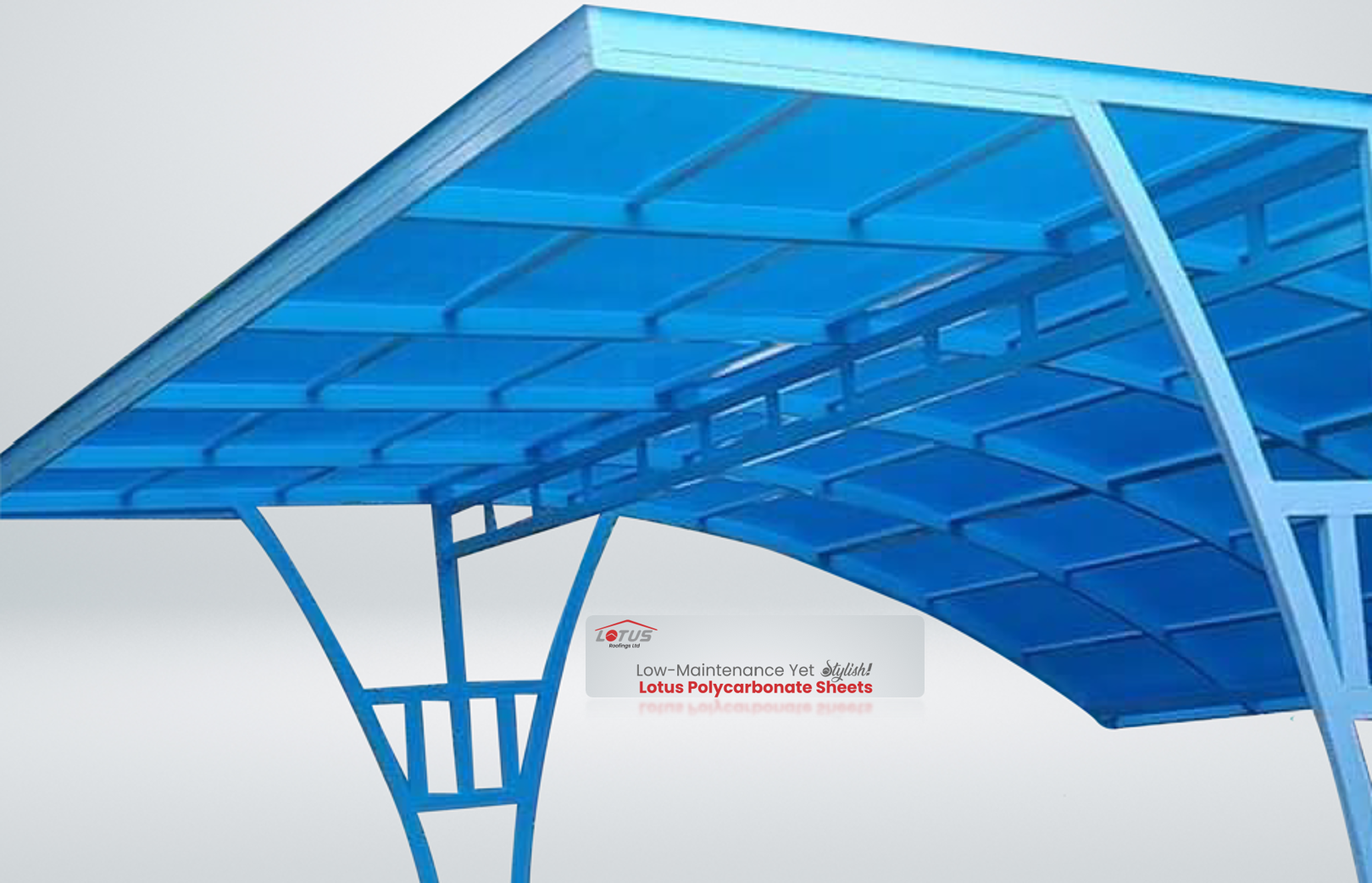
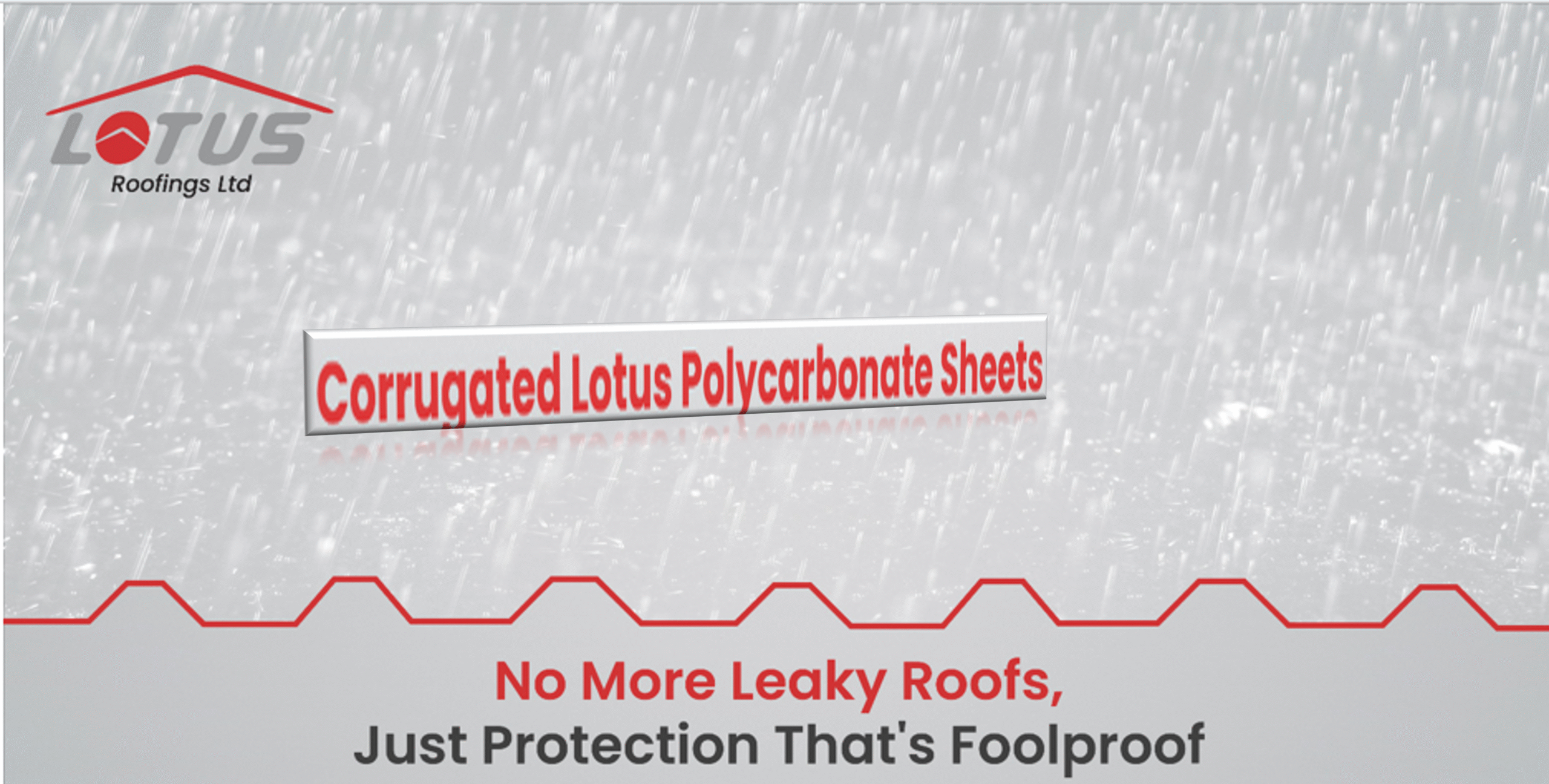
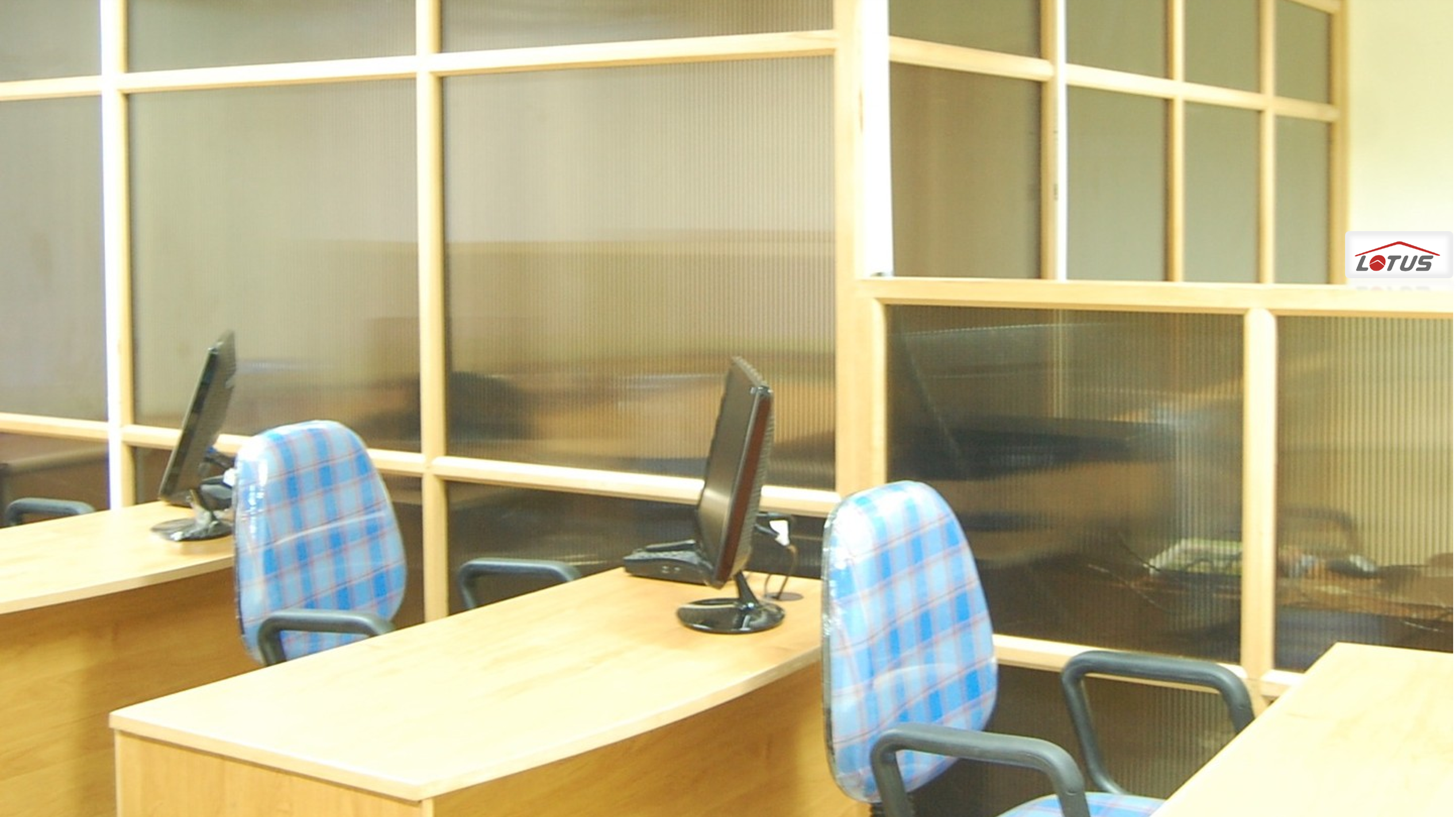
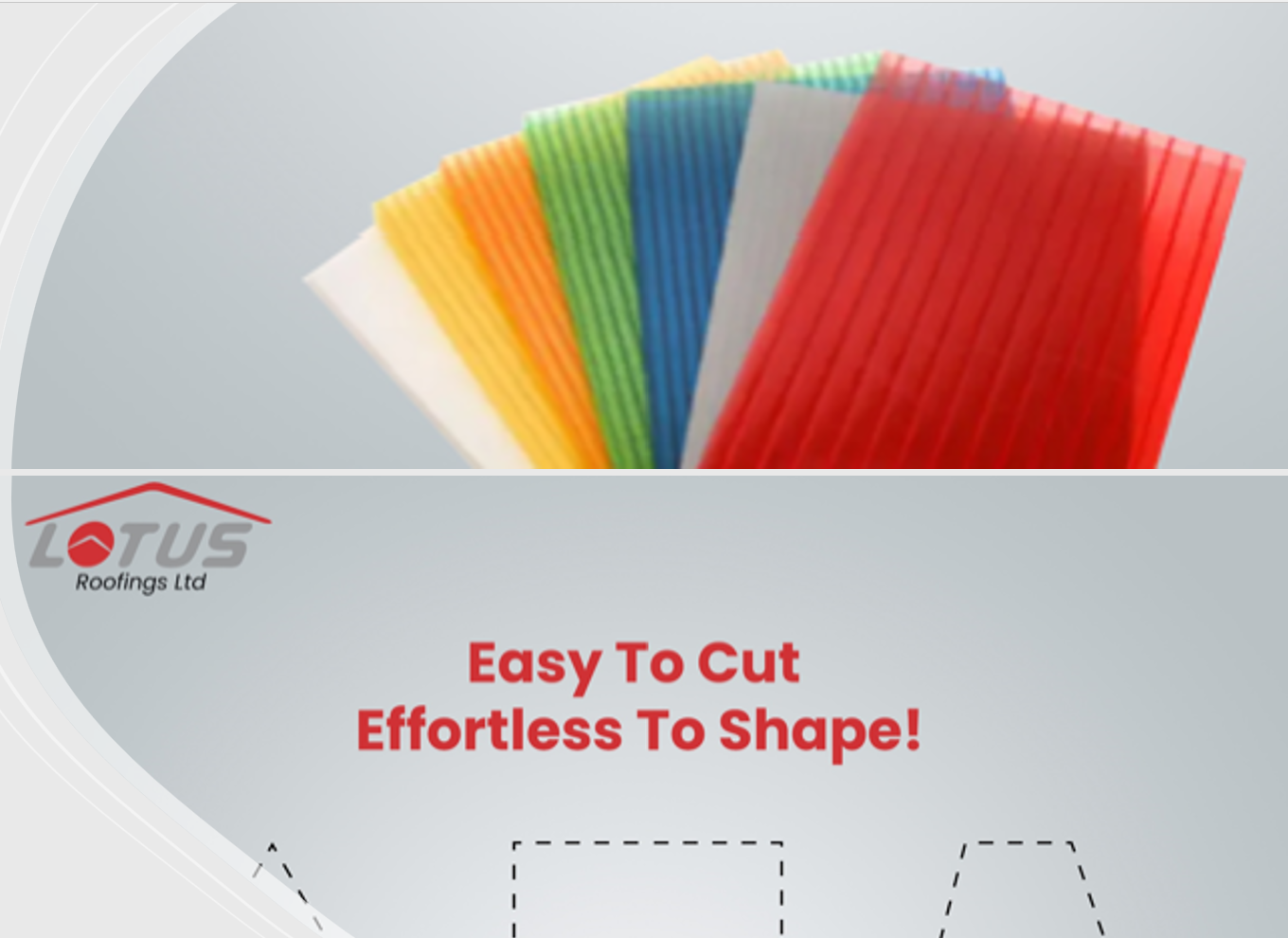
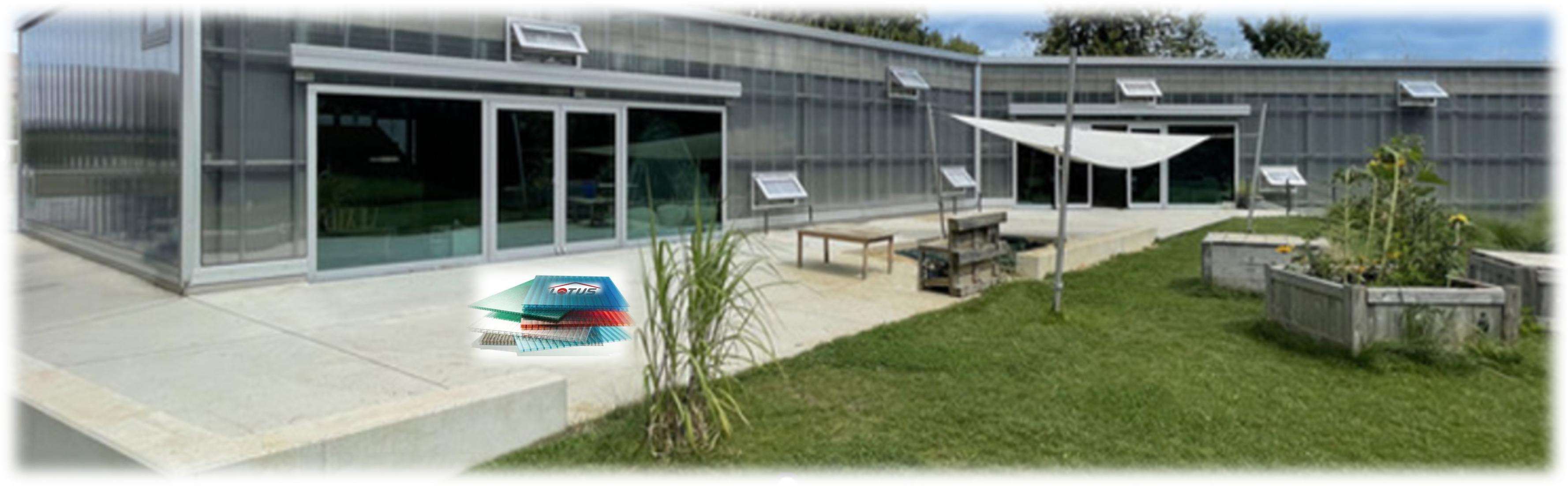
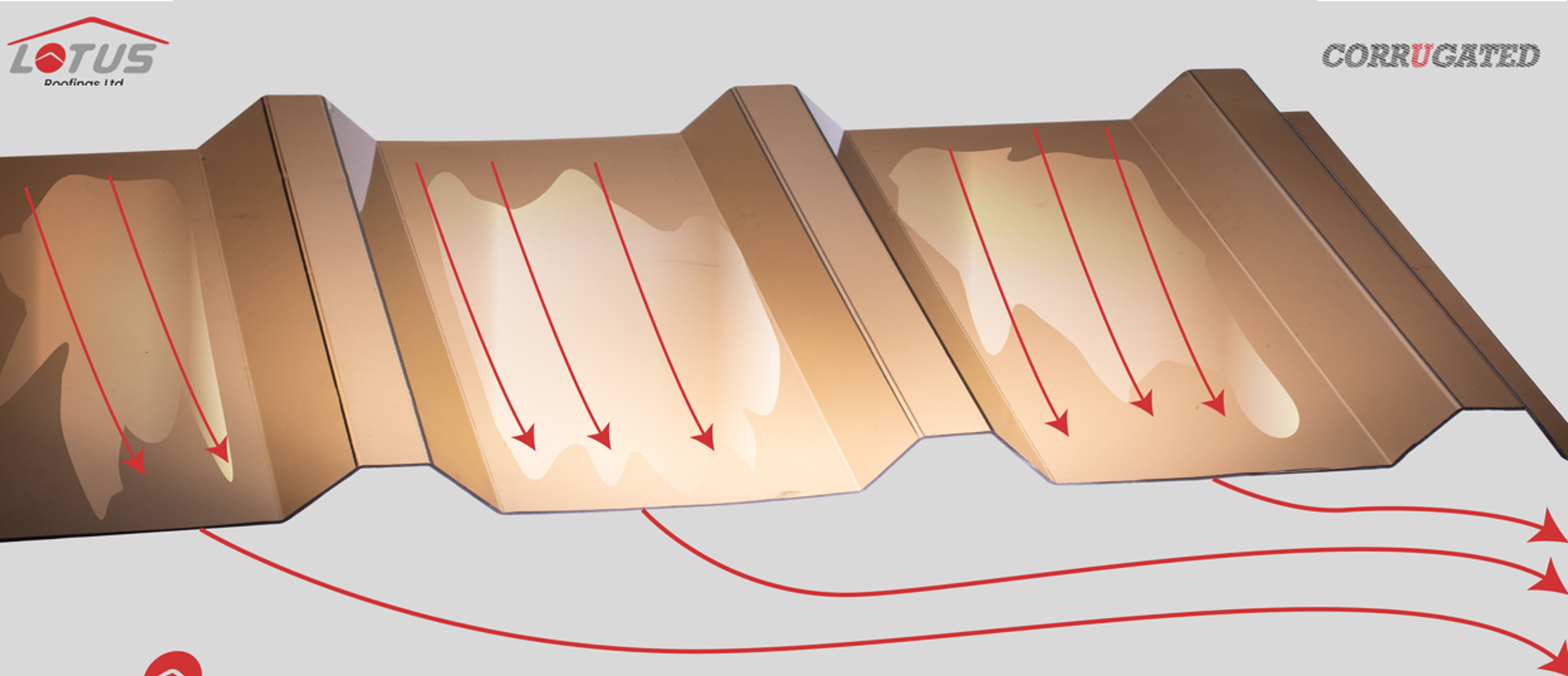
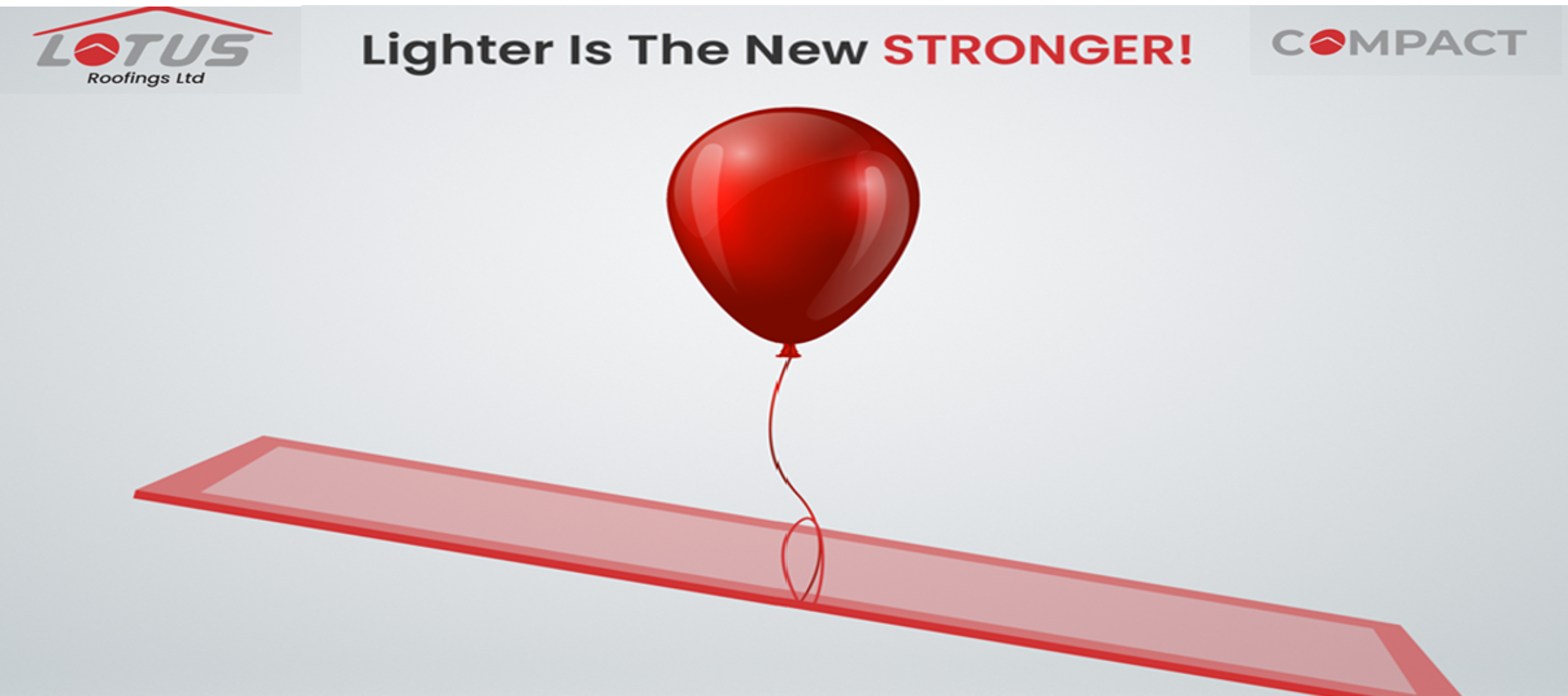
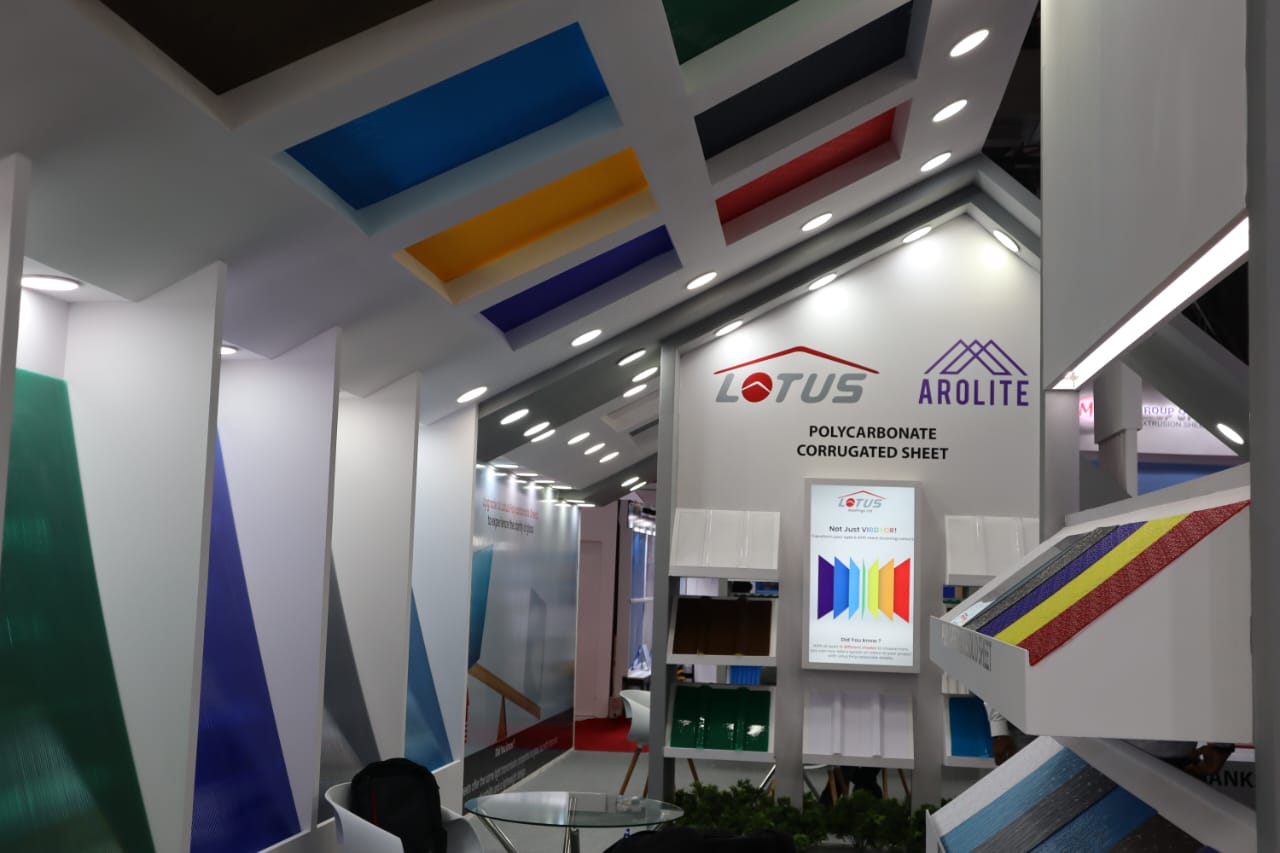
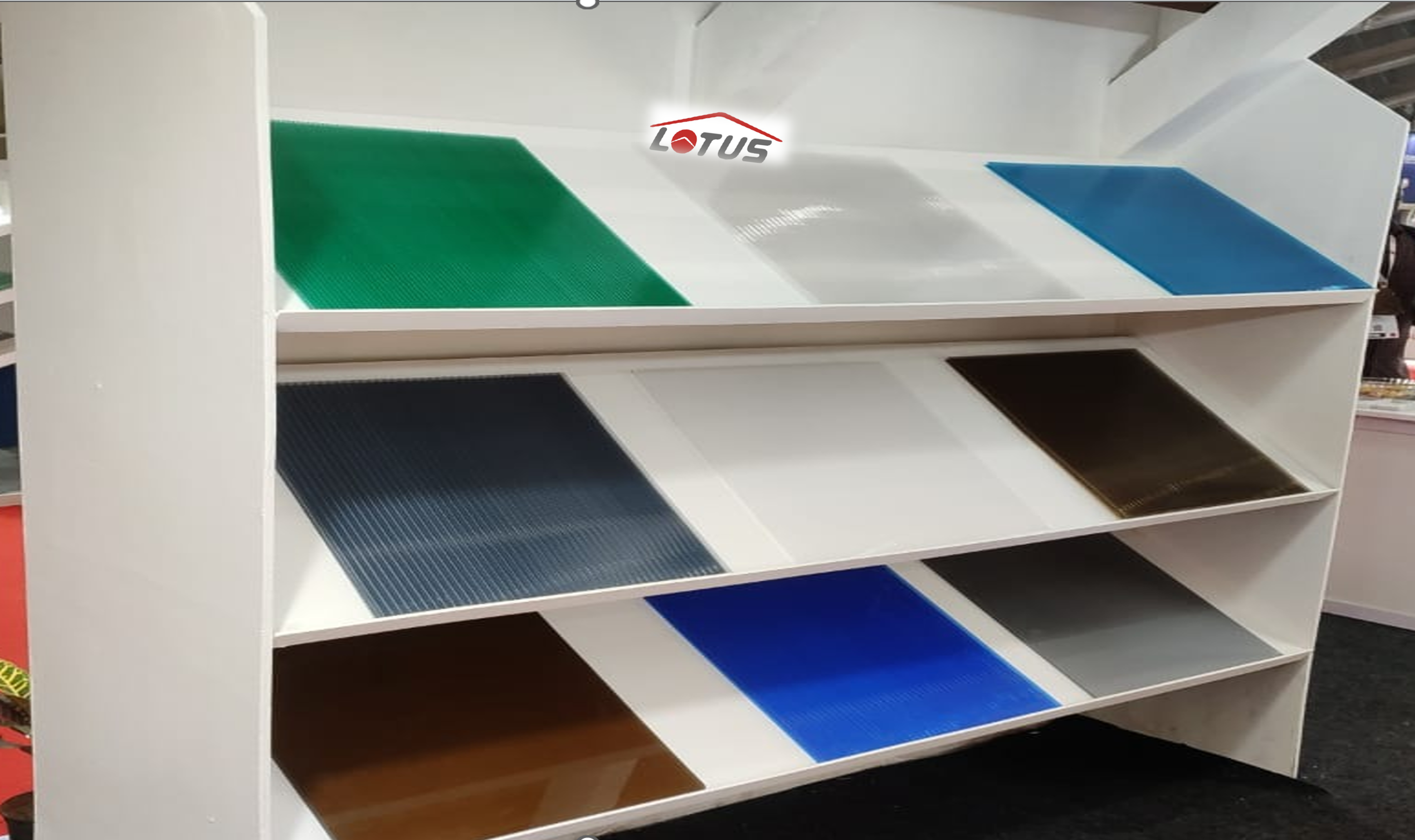
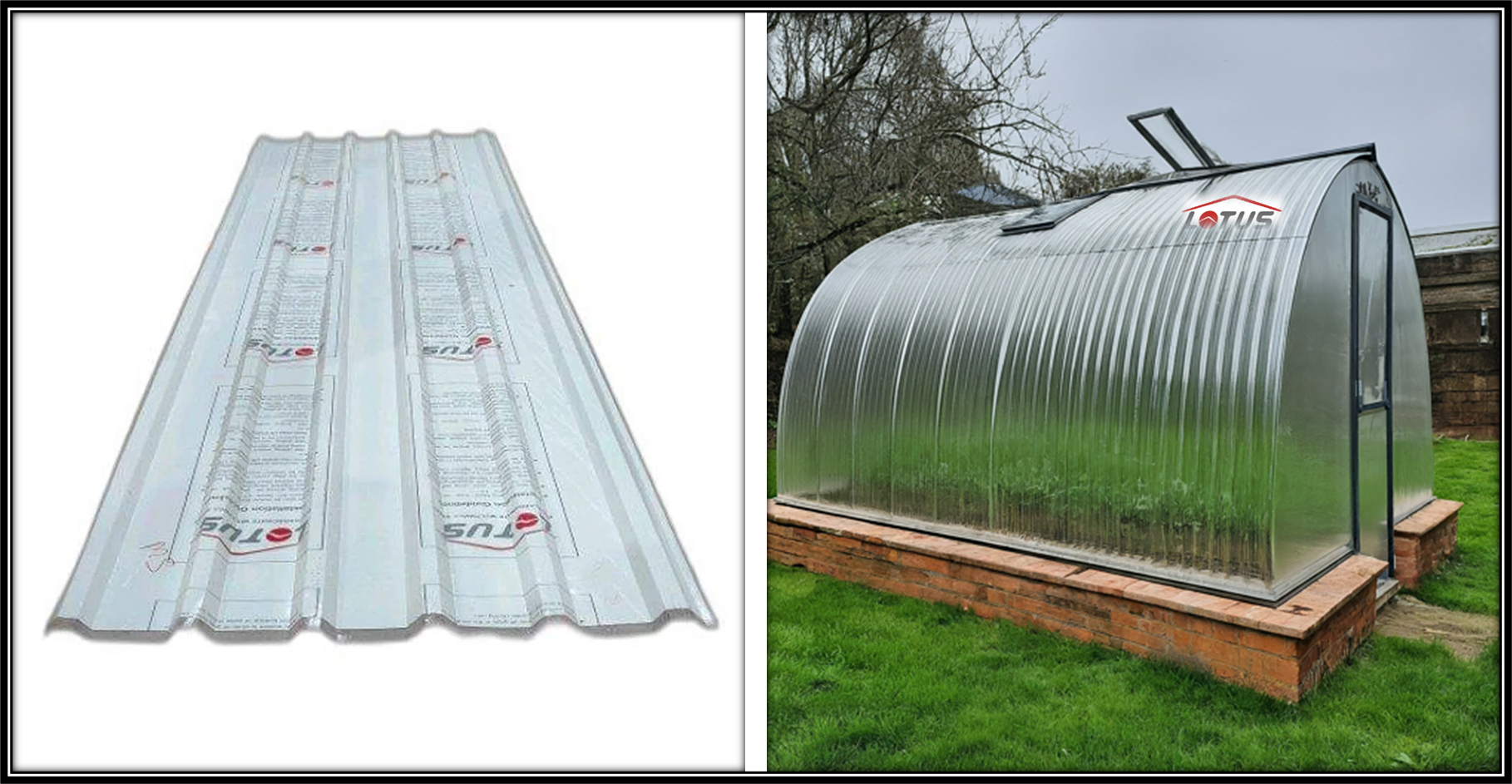
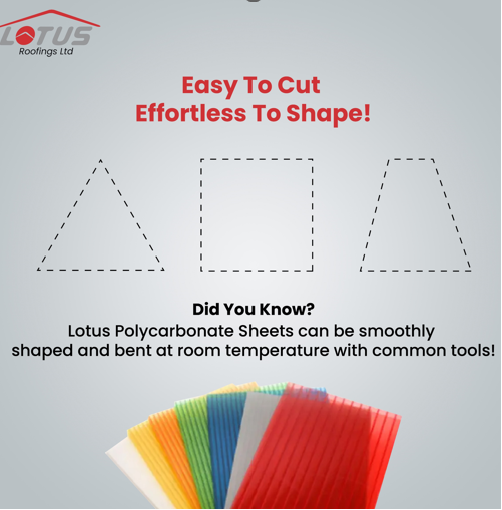
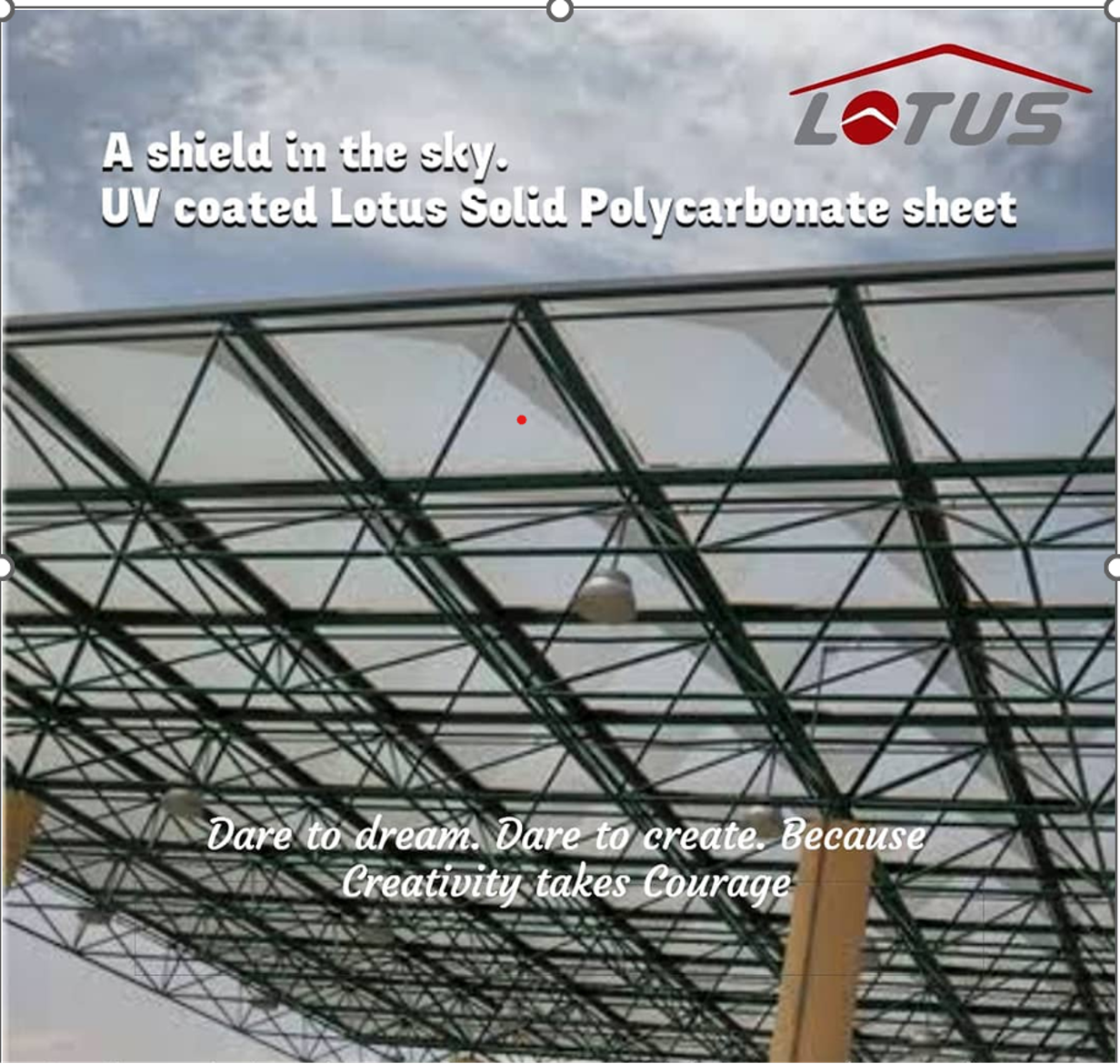
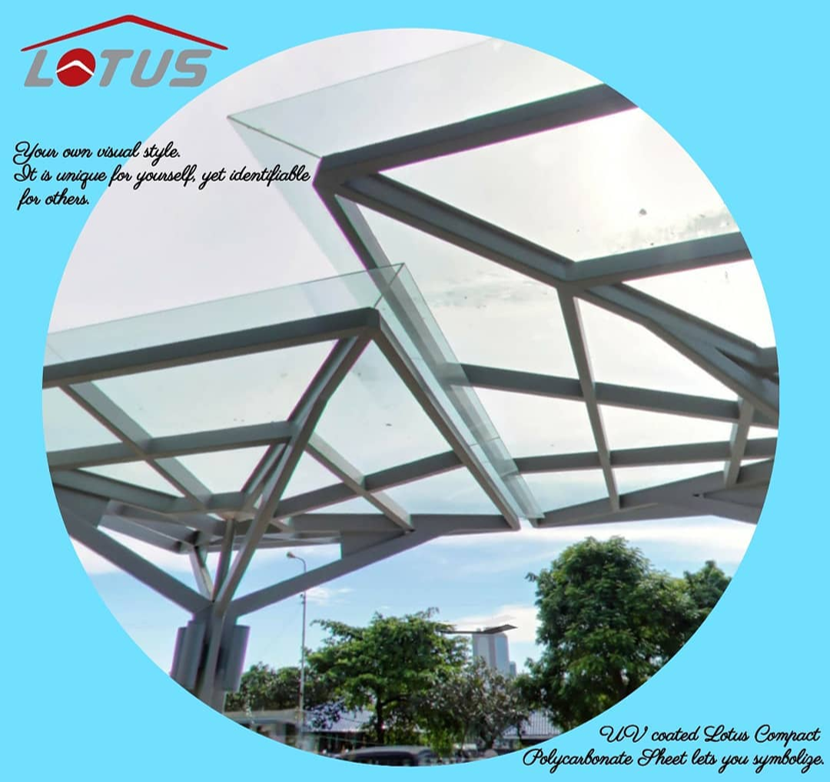
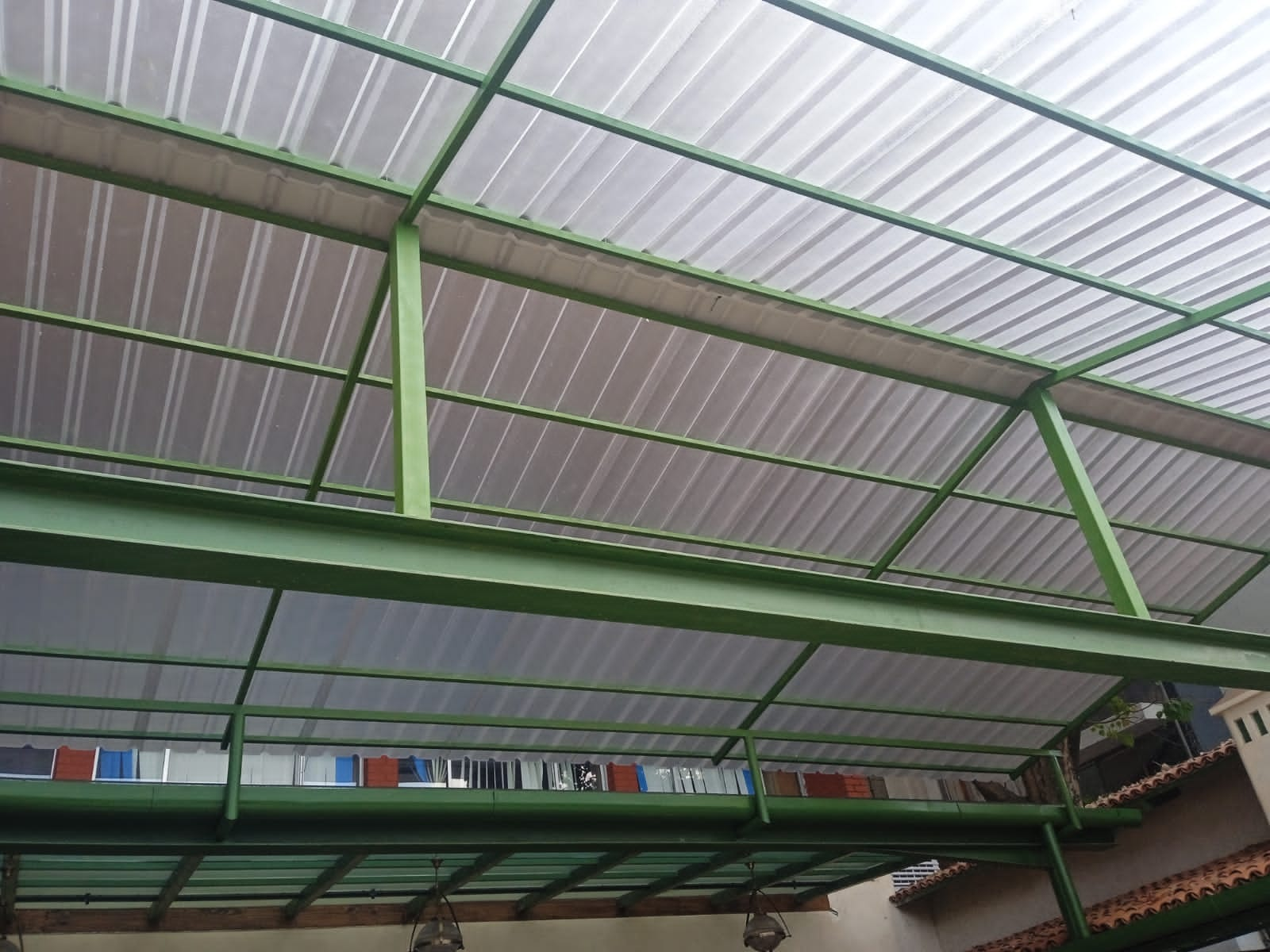
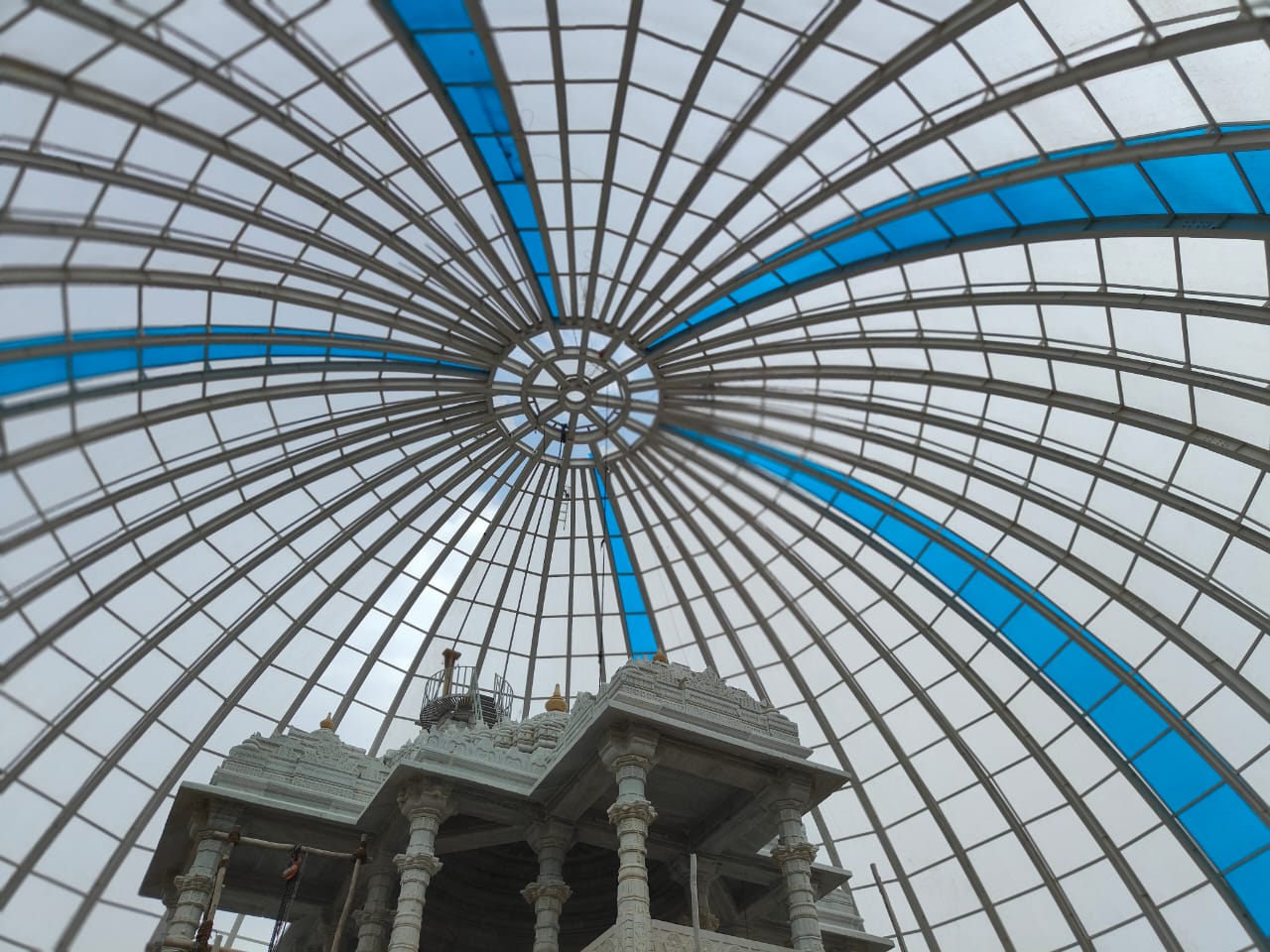
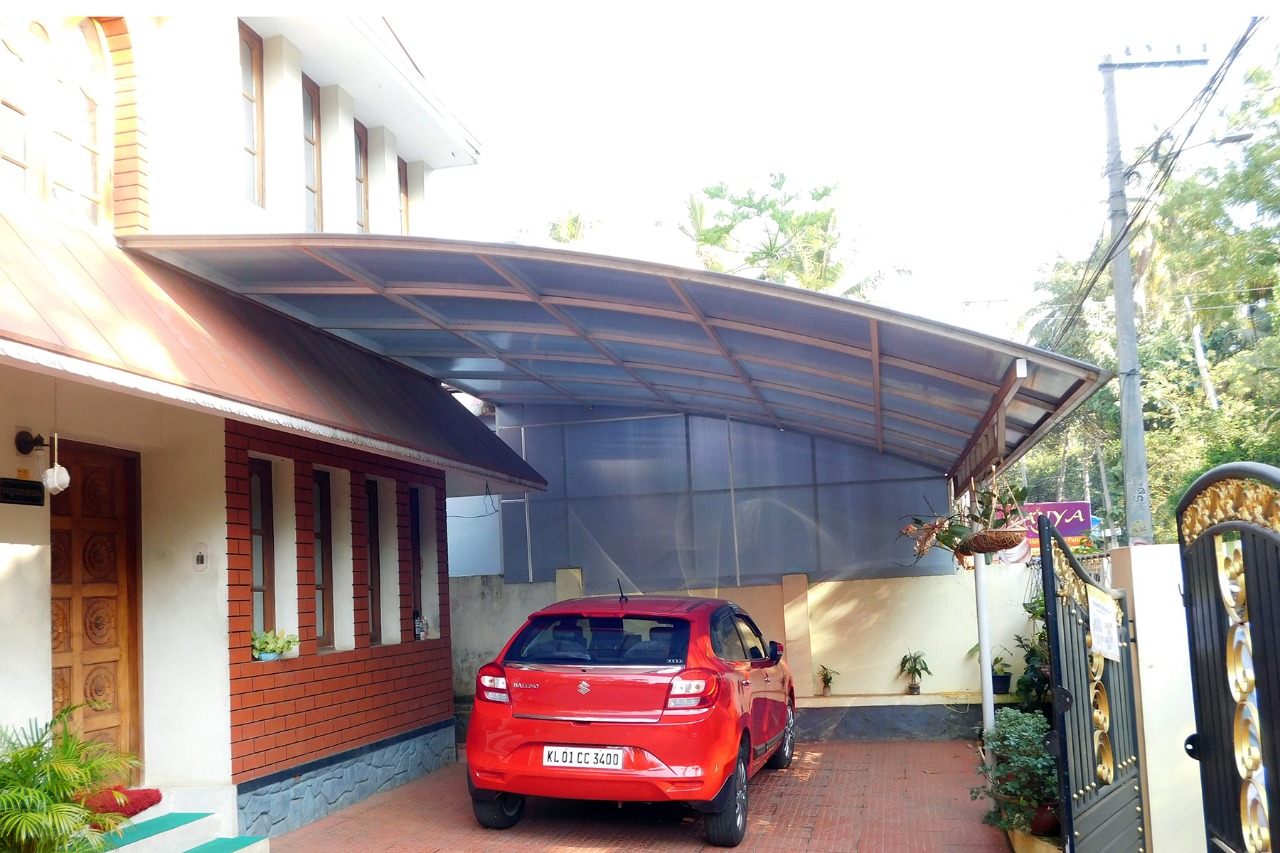
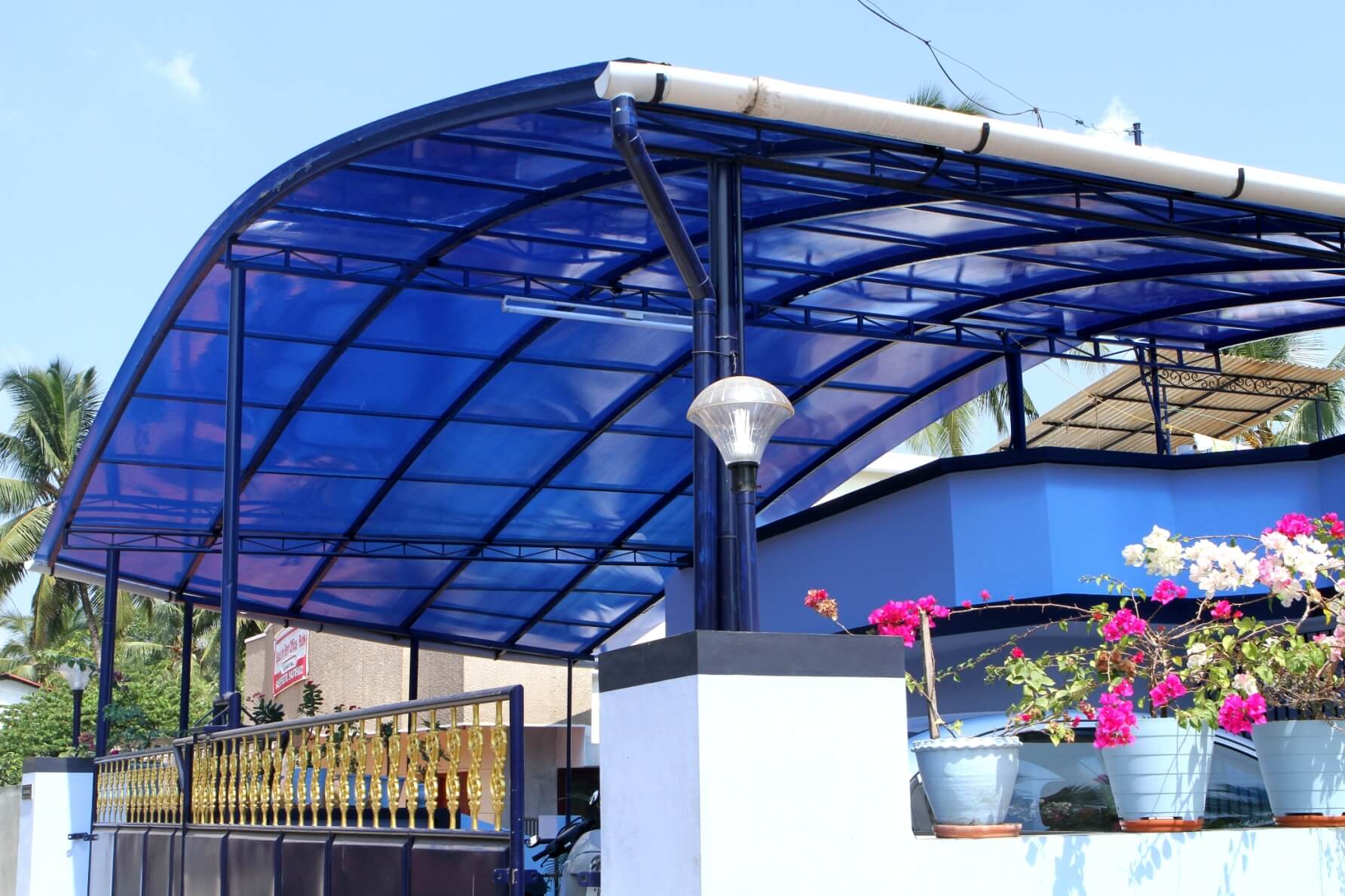
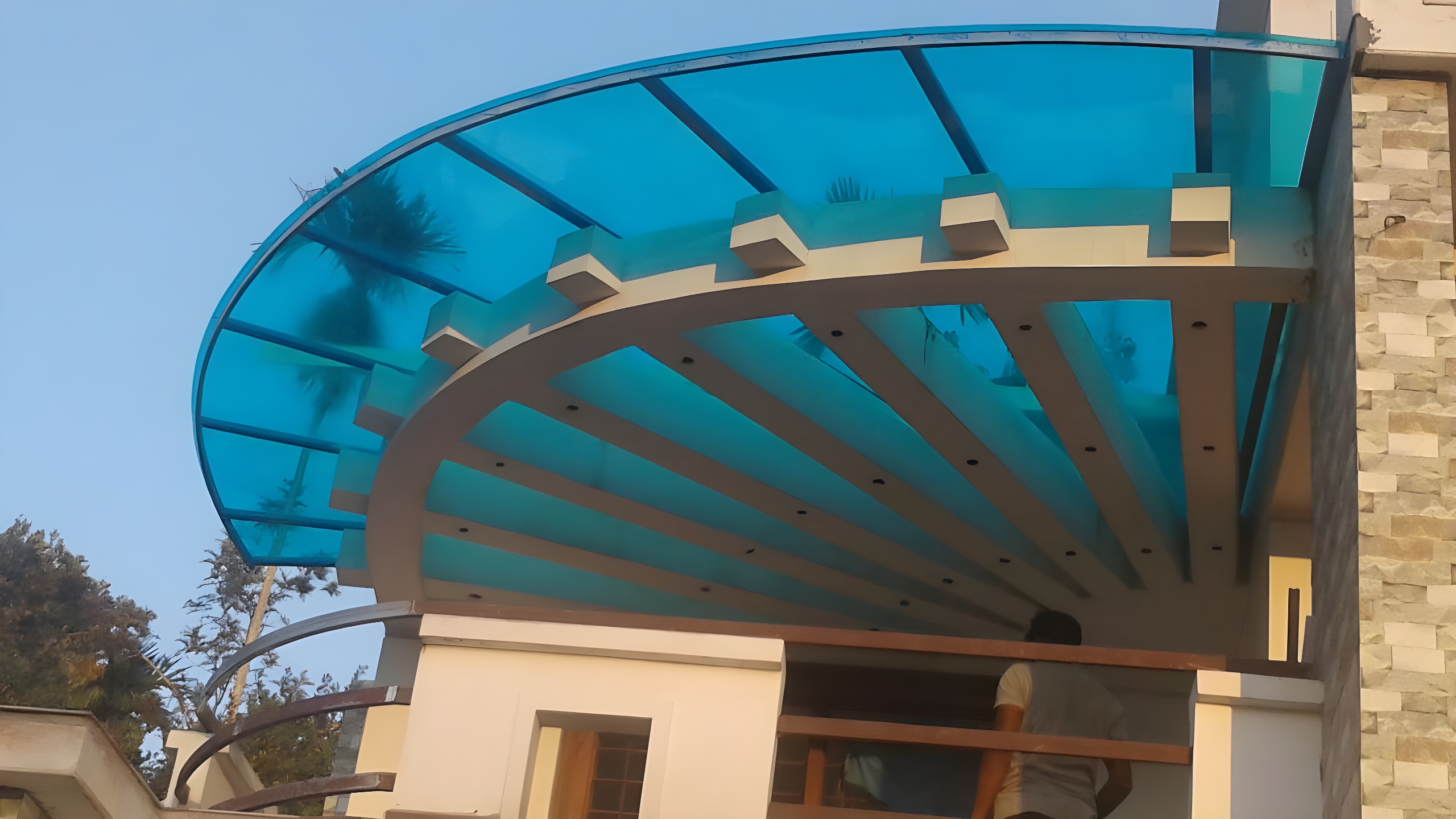
For example, polycarbonate sheets are available in several forms because applications vary. Compact Polycarbonate Sheets may be considered where clarity and a clean appearance are important. Multiwall Polycarbonate Sheets can be suitable for applications where diffused daylight and additional thermal performance are required. Corrugated Polycarbonate Sheets may be appropriate for certain industrial and commercial roofing applications.
The aim is not to select the most advanced option.
It is to select the option that makes sense for the project.
- What Will It Cost Over Time?
The purchase price is easy to see. The long-term cost is not always as obvious.
A roofing decision can affect maintenance requirements, repairs and the possibility of earlier replacement. If a solution does not perform as expected in the intended environment, the savings made at the beginning of the project may gradually disappear.
This does not mean every building requires the highest-priced material available. It means that initial cost should be viewed alongside expected performance.
A temporary structure and a long-term commercial building may have very different priorities. Treating both projects in exactly the same way may not produce the best result.
When comparing prices, it is worth considering the years ahead, not just the day of purchase.
- What Happens If the Choice Is Wrong?
This is one of the most useful questions to ask.
What happens if the selected roofing solution does not meet the needs of the project?
Could the space become uncomfortable? Could repairs interrupt normal operations? Could the building require replacement work earlier than expected? Could poor daylight or weather protection affect how the space is used?
The consequences will vary from one project to another. But asking this question helps move the decision beyond the initial quotation. Sometimes the difference between two prices is less significant than the cost of correcting the wrong decision later.
A good roofing choice considers both the investment and the possible consequences of getting it wrong.
Common Misconceptions
- The cheapest option always saves the most money.
Not necessarily. A lower initial price does not automatically mean better long-term value.
2. The most expensive roofing solution is always better.
Not necessarily. The right solution depends on the application and project requirements.
3. All roofing sheets perform in the same way.
Different materials, profiles and designs are created for different applications. Similar appearance does not always mean similar performance.
4. A thicker sheet is automatically the better choice.
Thickness is only one consideration. The correct choice depends on how and where the product will be used.
A Quick Checklist Before You Decide
Before finalising a roofing solution, ask yourself:
- What is the main purpose of the roof?
- What climate and weather conditions will it face?
- How will the space below be used?
- Is natural daylight important?
- Does heat or indoor comfort need to be considered?
- What maintenance will the building require over time?
- How long is the project expected to serve its purpose?
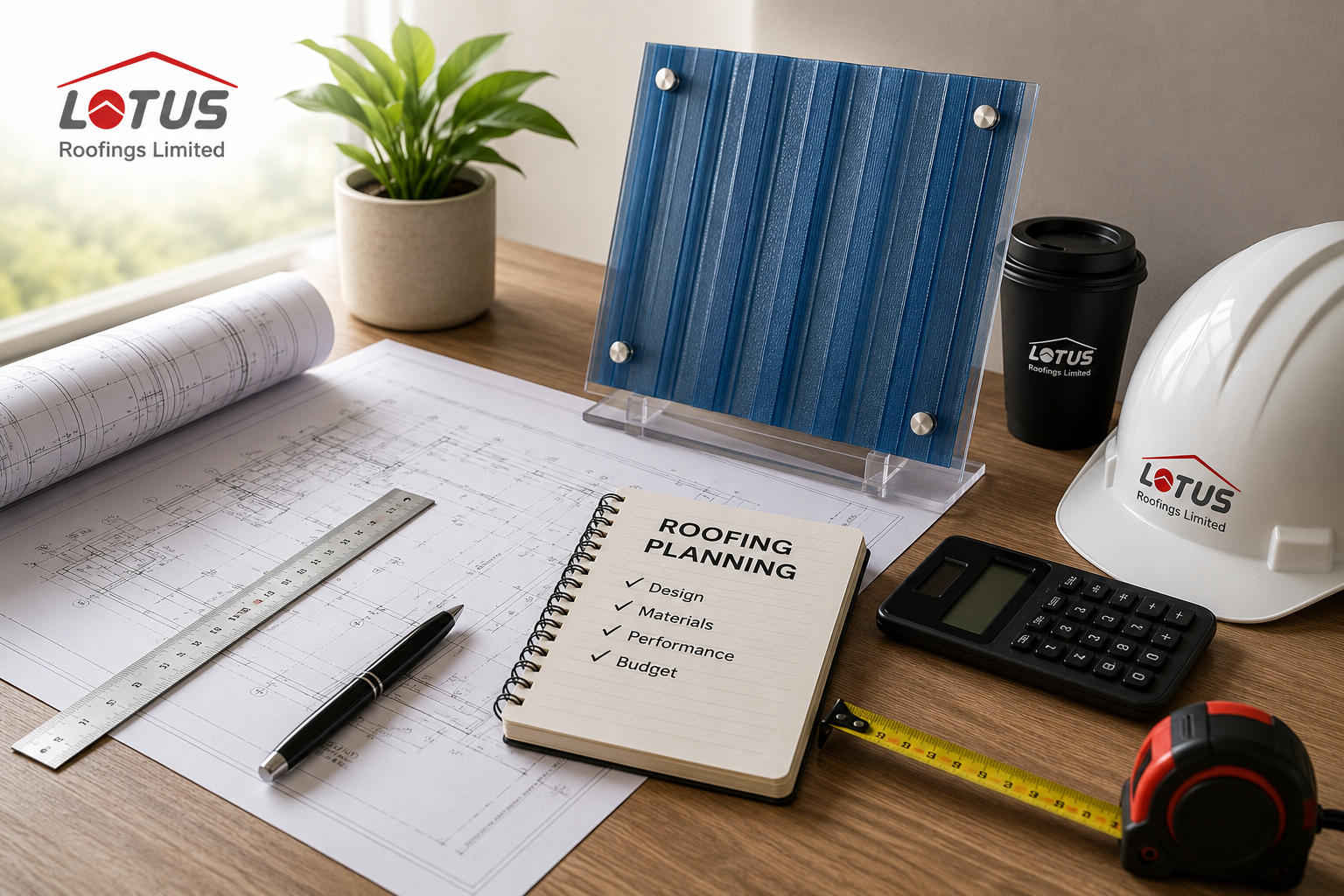
- What could happen if the roofing choice does not perform as expected?
These questions can make a roofing comparison far more meaningful than simply placing two prices next to each other.
Frequently Asked Questions
- Should I always choose the cheapest roofing option for a temporary project?
Not necessarily. Even temporary projects need a roofing solution that suits their expected use, environment and duration. The right choice depends on the specific requirements of the project.
2. Is a more expensive roofing sheet always more durable?
Price alone does not determine suitability or long-term performance. The material should be evaluated based on its intended application and environment.
3. How important is climate when choosing roofing?
Climate can significantly influence roofing performance. Heat, rain, humidity and wind should all be considered before selecting a solution.
4. Should I choose roofing based mainly on thickness?
No. Thickness is one factor, but the application, material type, structural requirements and performance expectations also matter.
5. Can the same roofing solution be used for every type of building?
Not always. A warehouse, hotel, factory and residential structure can have very different requirements.
6. How can I make a better roofing decision?
Start by understanding what the building needs from its roof. Then compare solutions based on suitability, expected performance and long-term value, not only initial price.
Finally, the cheapest roof can sometimes be the right choice, but it should be the right choice because it meets the requirements of the project, not simply because it has the lowest price.
Good roofing decisions balance cost with purpose, environment, performance and long-term value. Before comparing quotations, take a step back and understand what the building truly needs from its roof.
The best roofing solution is not always the cheapest or the most expensive. It is the one that is right for the project.
Every roofing project has different requirements. Choosing the right solution begins with understanding the application, environment and long-term expectations.
If you are planning an industrial, commercial, hospitality or residential project, Lotus Roofings can help you explore a suitable roofing solution for your requirements.
📞 Phone: +91 89390 31112 📧 Email: contact@lotusroofings.com
🌐 Website: https://lotusroofings.com
#LotusRoofings #RoofingSolutions #PolycarbonateRoofing #RoofingSheets #BuildingMaterials #Construction #CommercialConstruction #IndustrialRoofing #ArchitecturalDesign #SmartBuilding