Maintain Roofing Sheets Longer
How to Maintain Polycarbonate Roofing for Long-Term Performance
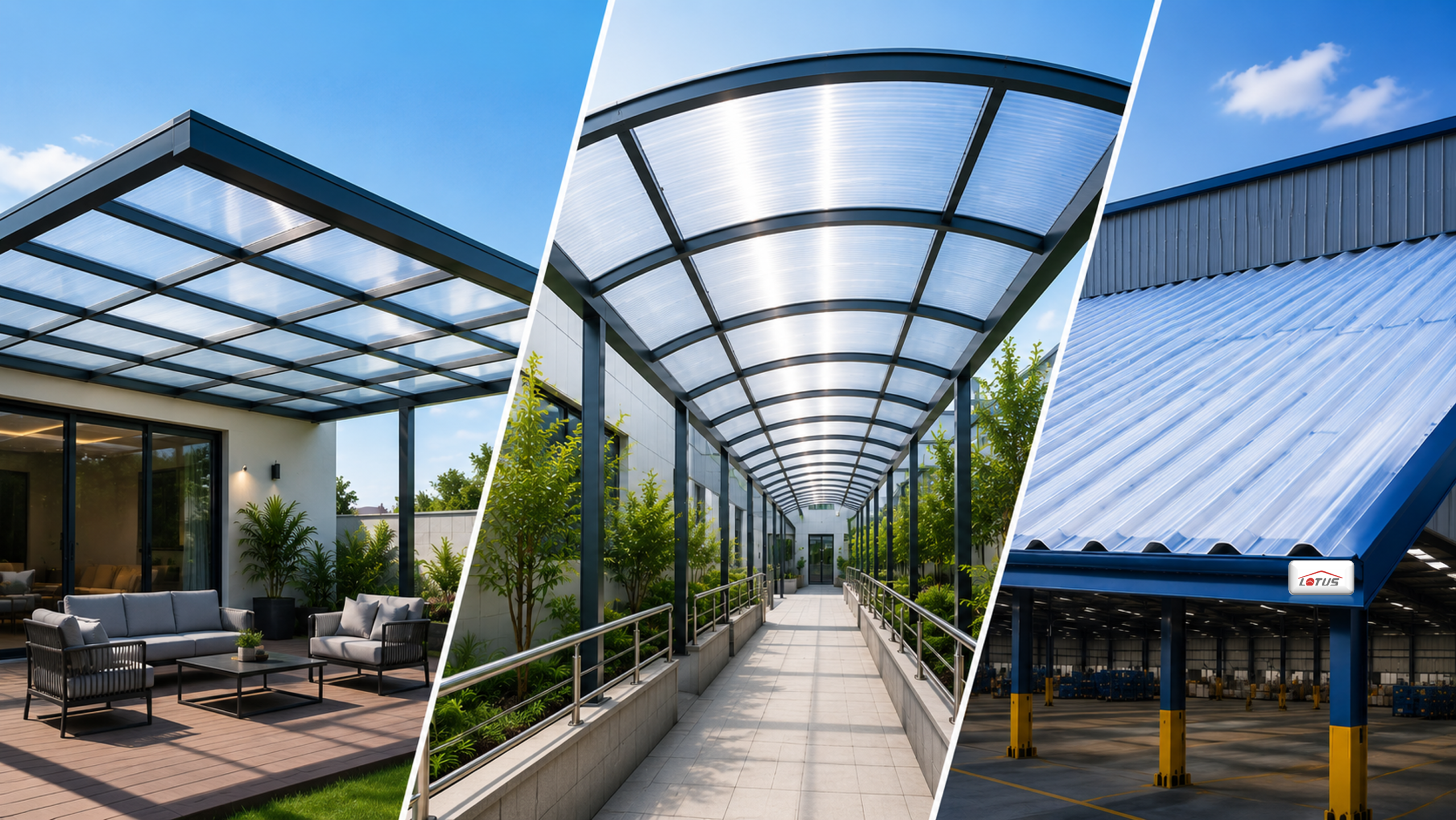
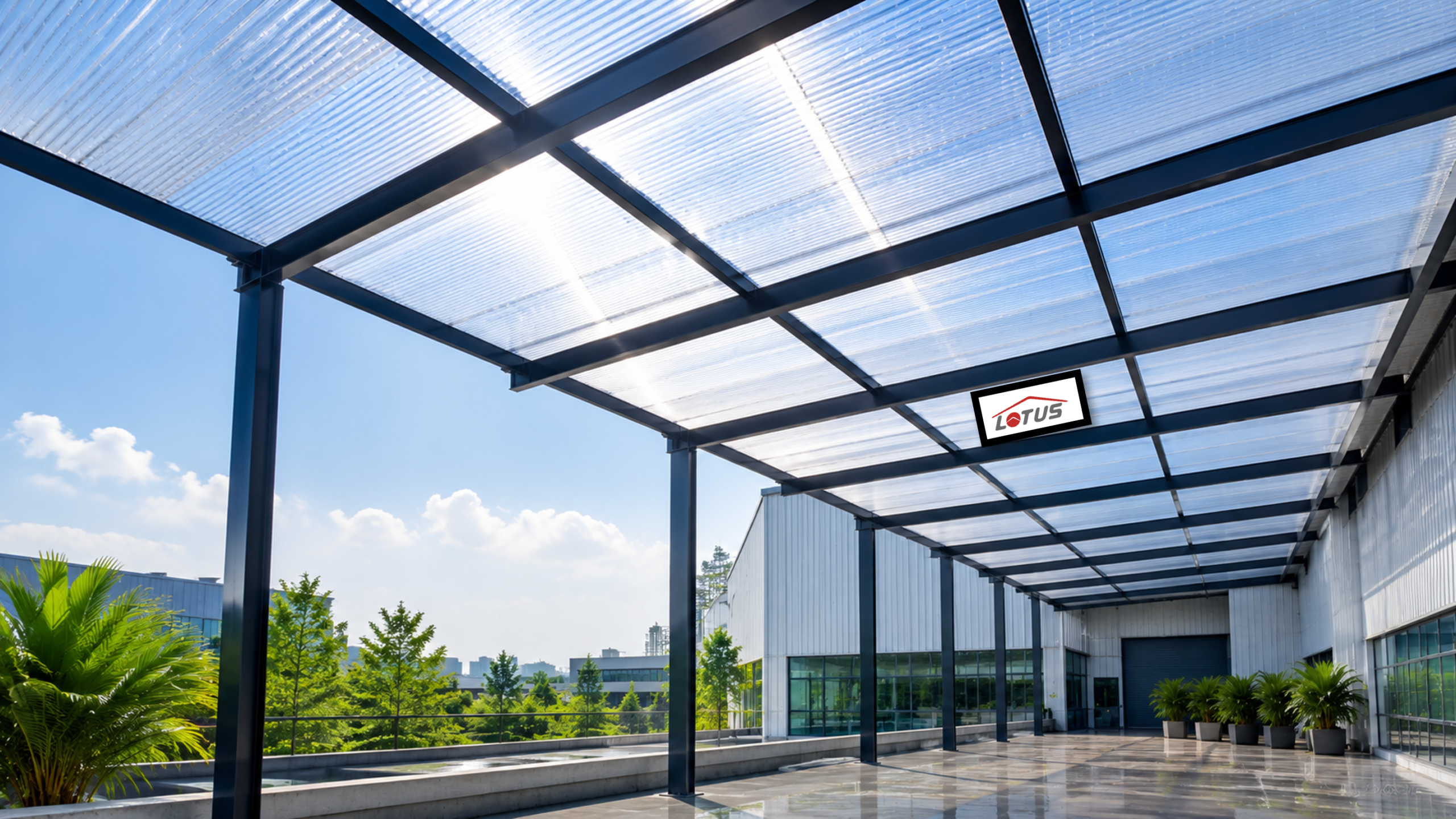
Polycarbonate roofing sheets have become one of the most preferred roofing solutions for residential, commercial, and industrial applications across Chennai, Tamil Nadu, Karnataka, Kerala, Hyderabad, Telangana, and Pondicherry. Their ability to provide natural daylight, UV protection, durability, and modern aesthetics makes them ideal for factories, warehouses, skylights, pergolas, walkways, and commercial buildings.
However, like any long-term investment, proper maintenance plays a major role in preserving roofing performance, appearance, and lifespan.
A well-maintained roof not only protects the structure but also preserves comfort, daylight, and aesthetics for years.
High-quality solutions like Lotus Polycarbonate Roofing Sheets are designed for Indian weather conditions and can deliver long-lasting performance when maintained correctly.
Why Polycarbonate Sheet Maintenance Matters
One of the biggest advantages of polycarbonate sheets is their excellent durability and weather resistance. Modern roofing sheets are designed to withstand harsh sunlight, heavy rain, dust, and changing environmental conditions.
But over time, dirt accumulation, blocked drainage systems, improper cleaning methods, and neglected inspections can reduce the overall efficiency of the roofing system.
Proper polycarbonate sheet maintenance helps:
- Maintain light transmission
- Preserve UV resistance
- Improve roofing lifespan
- Prevent discoloration
- Reduce long-term repair costs
- Retain structural appearance
Many industrial projects in Chennai and Tamil Nadu prefer Lotus Roofings because properly maintained roofing sheets continue to perform efficiently for years.
- Clean Roofing Sheets Regularly
Dust, pollution, leaves, bird droppings, and environmental debris can slowly accumulate on roofing sheets, especially in outdoor industrial and commercial spaces.
Regular cleaning helps maintain the clarity and brightness of polycarbonate sheets.
Best Cleaning Practices
- Use mild soap with lukewarm water
- Clean using a soft sponge or microfiber cloth
- Rinse thoroughly with clean water
- Allow natural air drying
Avoid These Mistakes
- Harsh chemical cleaners
- Abrasive brushes
- Strong solvents
- High-pressure washing at close range
Aggressive cleaning materials can damage the UV-protected surface layer of roofing sheets.
- Inspect Roofing During Seasonal Changes
Weather conditions in India can vary significantly between summer and monsoon seasons. Periodic inspection helps identify minor issues before they become expensive repairs.
Check for:
- Loose fasteners
- Dust accumulation near joints
- Drainage blockage
- Sealant wear
- Minor cracks or scratches
Routine inspection improves long-term roofing performance and structural reliability.
- Ensure Proper Water Drainage
Proper drainage is essential for maintaining long lasting roofing sheets.
During monsoon seasons, stagnant water and blocked gutters can affect roofing performance over time.
Maintenance Tips
- Remove leaves and debris regularly
- Ensure gutters remain unclogged
- Check roof slope alignment periodically
- Inspect water outlets after heavy rain
Efficient drainage helps preserve the durability and performance of polycarbonate roofing sheets.
- Protect the UV Coated Surface
Most premium UV roofing sheets come with protective coatings that help resist yellowing, heat damage, and weather exposure.
During maintenance:
- Avoid dragging sharp tools on sheet surfaces
- Prevent scratches during cleaning
- Ensure the UV-coated side remains exposed outward
High-quality UV roofing sheets supplied by Lotus Roofings are designed to perform efficiently in high-heat Indian climates.
- Avoid Excessive Load on Roofing Sheets
Although polycarbonate sheets are highly impact resistant, unnecessary concentrated loads should still be avoided.
Do not:
a. Walk directly on unsupported sheet areas
b. Place heavy materials on roofing surfaces
c. Allow sharp metal edges to rest on sheets
Using proper support systems during maintenance work helps prevent accidental structural damage.
- Schedule Professional Roofing Inspection
For large commercial and industrial roofing projects, professional inspection is highly recommended.
Experts can assess:
- Structural alignment
- Fastening systems
- Expansion gaps
- Sealant performance
- Long-term wear patterns
Preventive inspection helps reduce future maintenance costs and improves roofing lifespan.
Benefits of Proper Roofing Maintenance
Consistent maintenance helps maximize the value of roofing investments.
Long-Term Benefits
- Better daylight transmission
- Improved weather resistance
- Reduced discoloration
- Longer roofing lifespan
- Lower maintenance expenses
- Better visual appearance
Whether used in warehouses, factories, skylight roofing systems, pergolas, or industrial buildings, properly maintained roofing sheets continue to deliver durability and aesthetics.
Why Quality Roofing Sheets Matter
Maintenance becomes more effective when the roofing system itself is built using high-quality materials.
Premium polycarbonate sheets offer:
- UV resistance
- Heat reduction
- Impact resistance
- Weather durability
- Better structural performance
Lotus Roofings provides reliable roofing sheets designed for long-term performance across industrial, commercial, and residential applications in South India.
Internal Roofing Solutions
You may also explore:
- Industrial Roofing Sheets
- Skylight Roofing Solutions
- Corrugated Polycarbonate Sheets
- UV Roofing Sheets
- Warehouse Roofing Systems
FAQ
How often should polycarbonate roofing sheets be cleaned?
Polycarbonate roofing sheets should ideally be cleaned every 3–6 months depending on dust levels, pollution exposure, and weather conditions.
Can polycarbonate sheets turn yellow over time?
High-quality UV-protected polycarbonate sheets are designed to resist yellowing and maintain clarity for long-term performance.
Are polycarbonate roofing sheets suitable for Chennai weather?
Yes. UV roofing sheets are widely used across Chennai, Tamil Nadu, Karnataka, Kerala, Hyderabad, Telangana, and Pondicherry because of their durability, heat resistance, and weather performance.
Do polycarbonate roofing sheets require professional maintenance?
Basic cleaning can be done regularly, but large industrial roofing systems benefit from periodic professional inspection.
Lotus Polycarbonate roofing sheets are designed to deliver durability, daylight performance, weather resistance, and modern aesthetics. With proper maintenance practices such as regular cleaning, seasonal inspection, drainage care, and UV surface protection, property owners can significantly improve roofing lifespan and long-term performance.
The right roofing solution protects not just buildings, but comfort, productivity, and peace of mind.
Looking for durable, weather-resistant, and long lasting roofing sheets for projects in Chennai, Tamil Nadu, Karnataka, Kerala, Hyderabad, Telangana, or Pondicherry?
Connect with Lotus Roofings for reliable polycarbonate roofing solutions built for Indian conditions.
📞 +91 89390 31112
#LotusRoofings #PolycarbonateSheets #RoofingSheets #UVRoofingSheets #SkylightRoofing #CorrugatedPolycarbonateSheets #IndustrialRoofing #RoofingSolutions #Chennai #TamilNadu #Kerala #Karnataka #Hyderabad #Telangana #Pondicherry